|
|
The FRAC houses regionally assembled public collections of contemporary art.
These collections are conserved, archived and presented to the public through on site exhibitions and by loans to both galleries and museums.
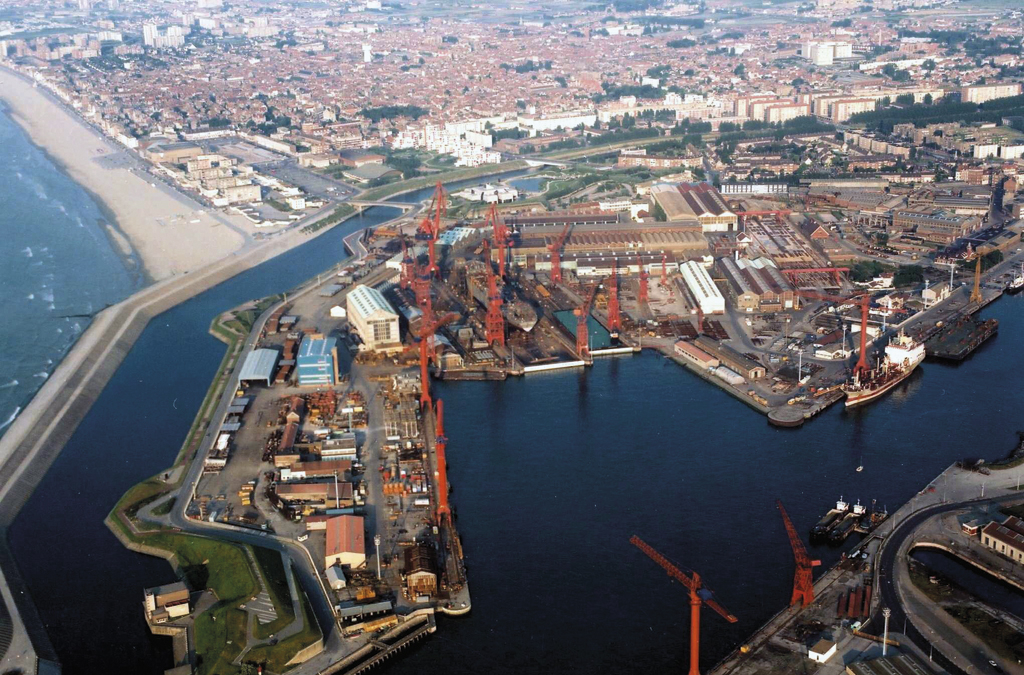
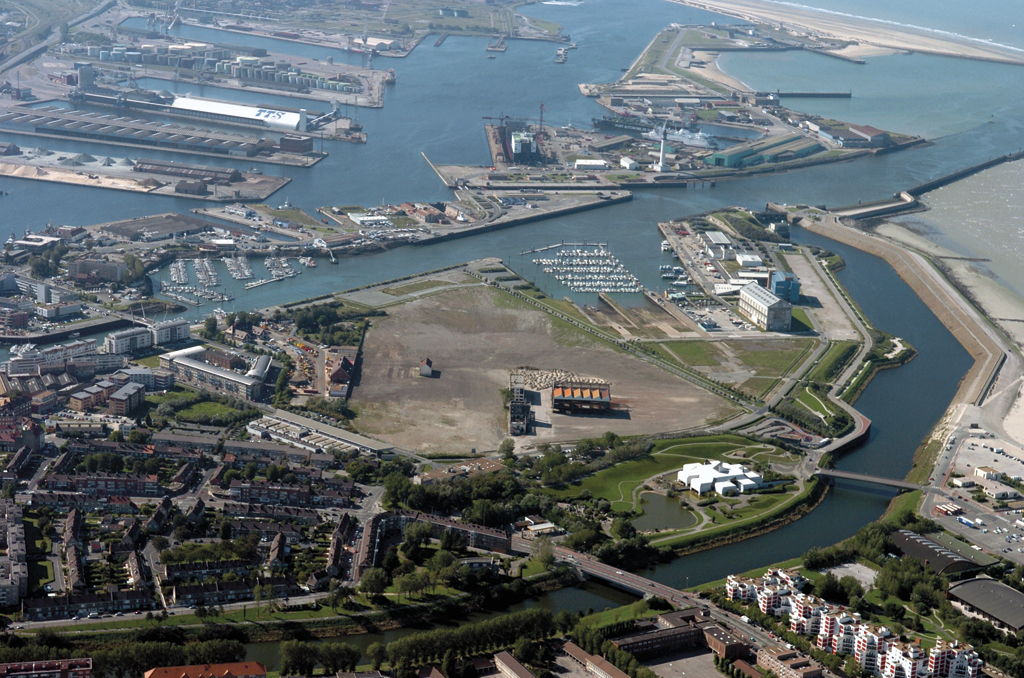
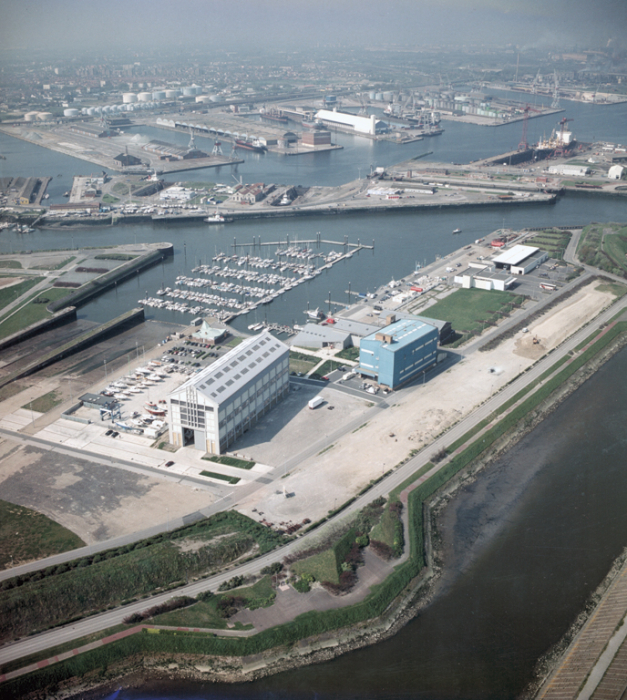
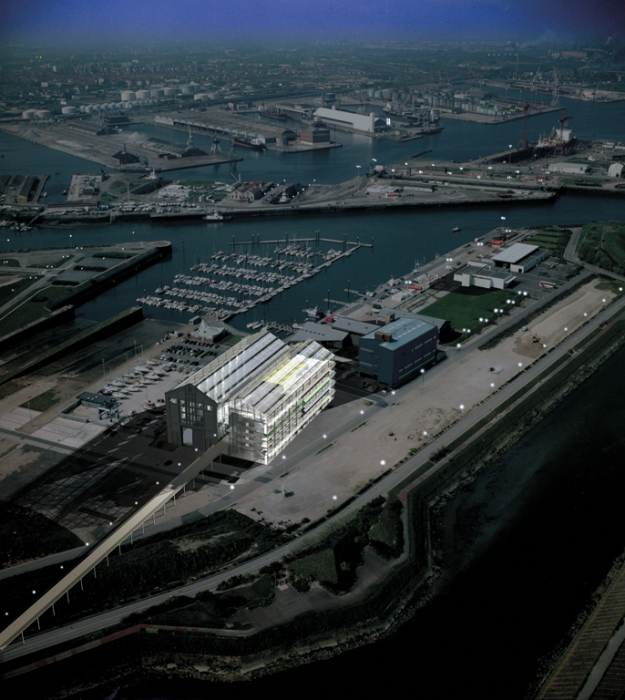
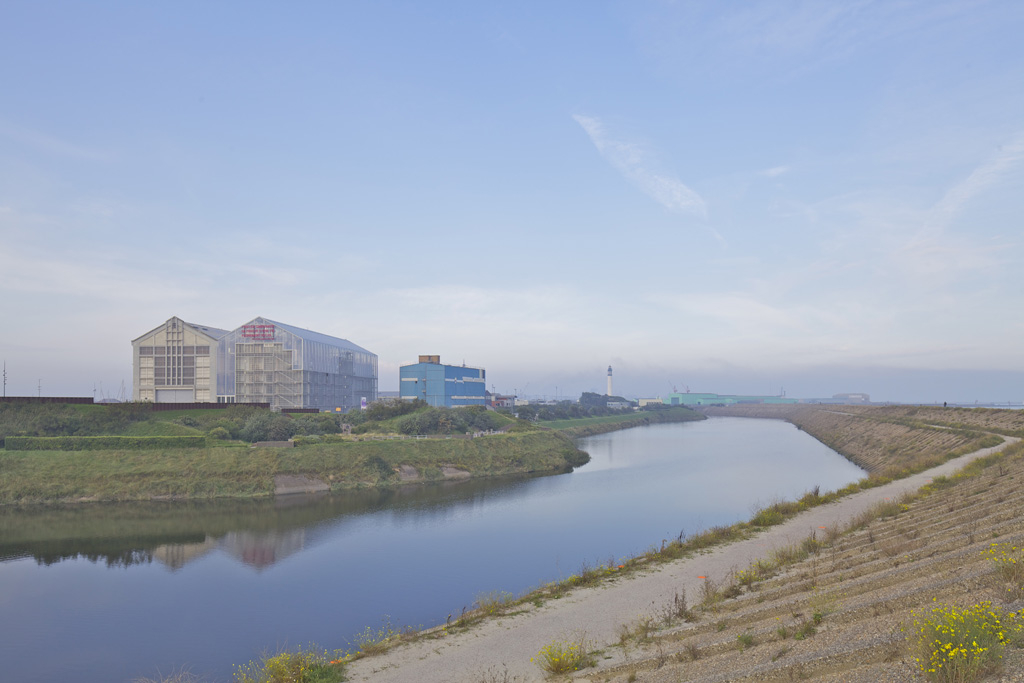
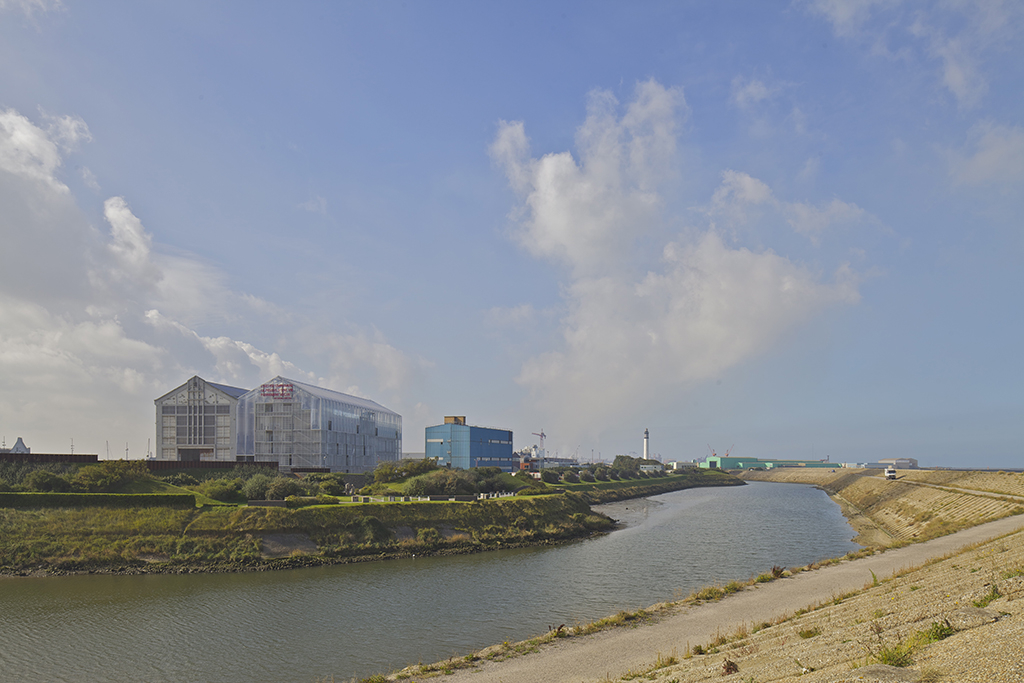
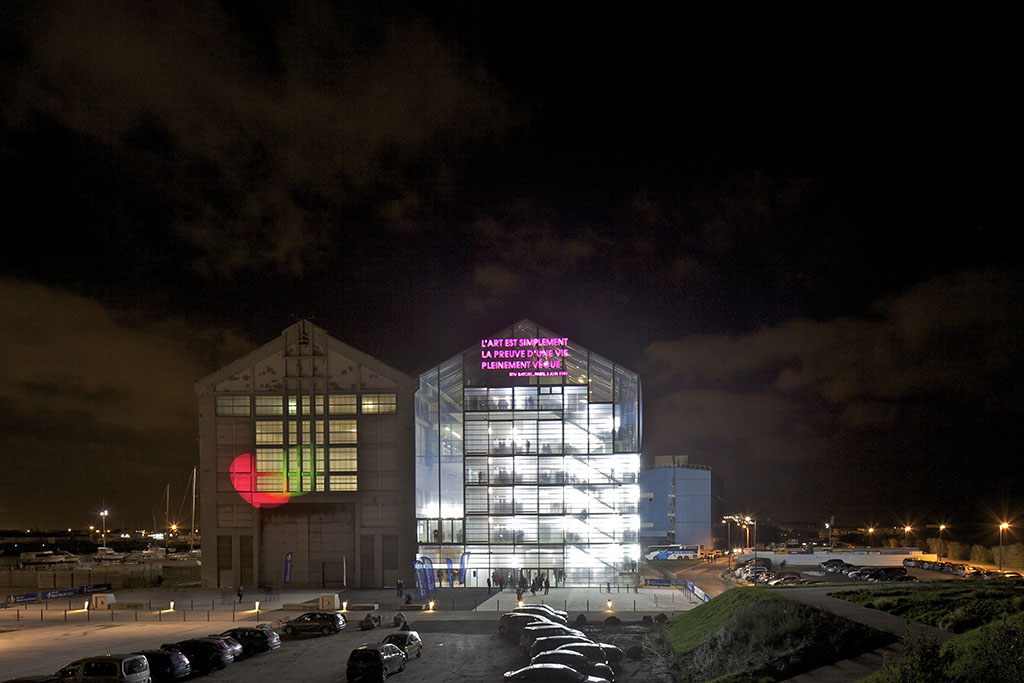
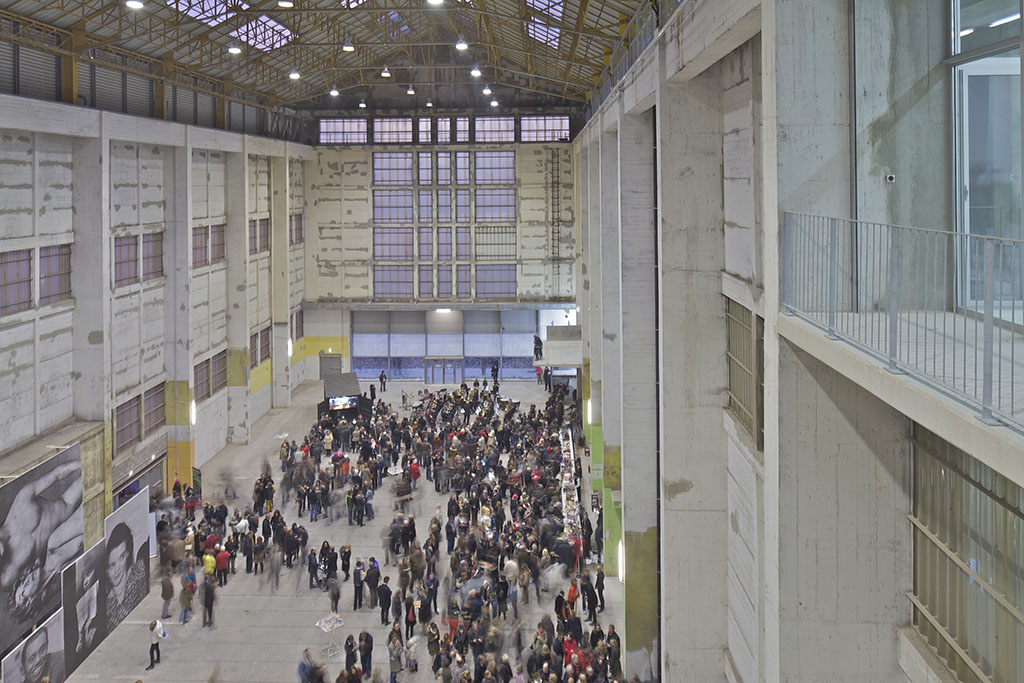
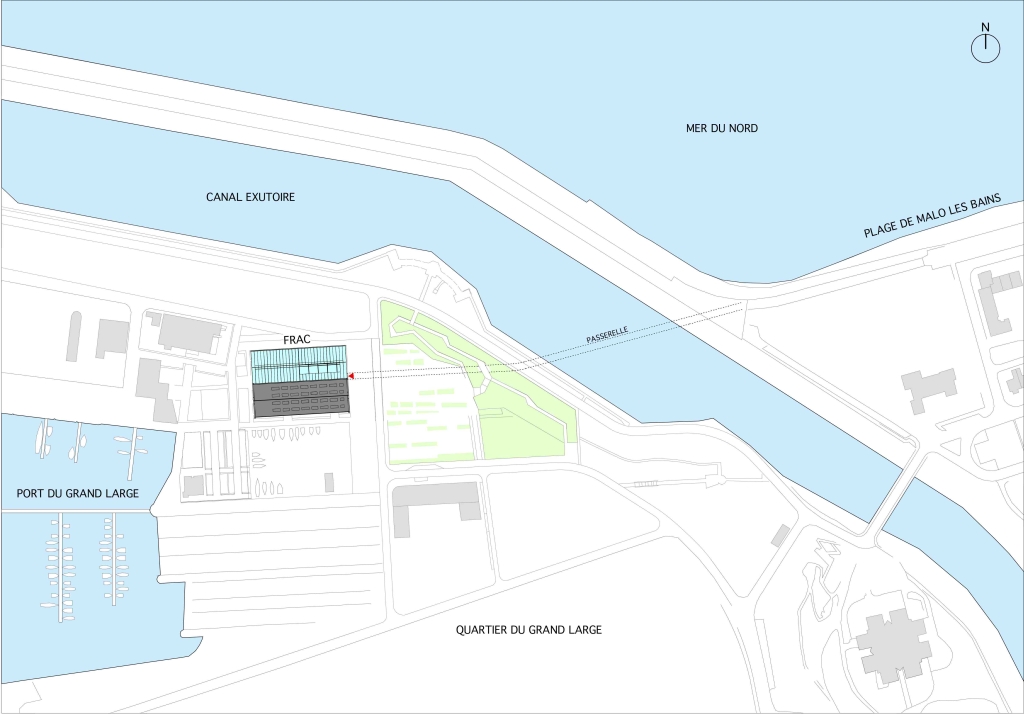
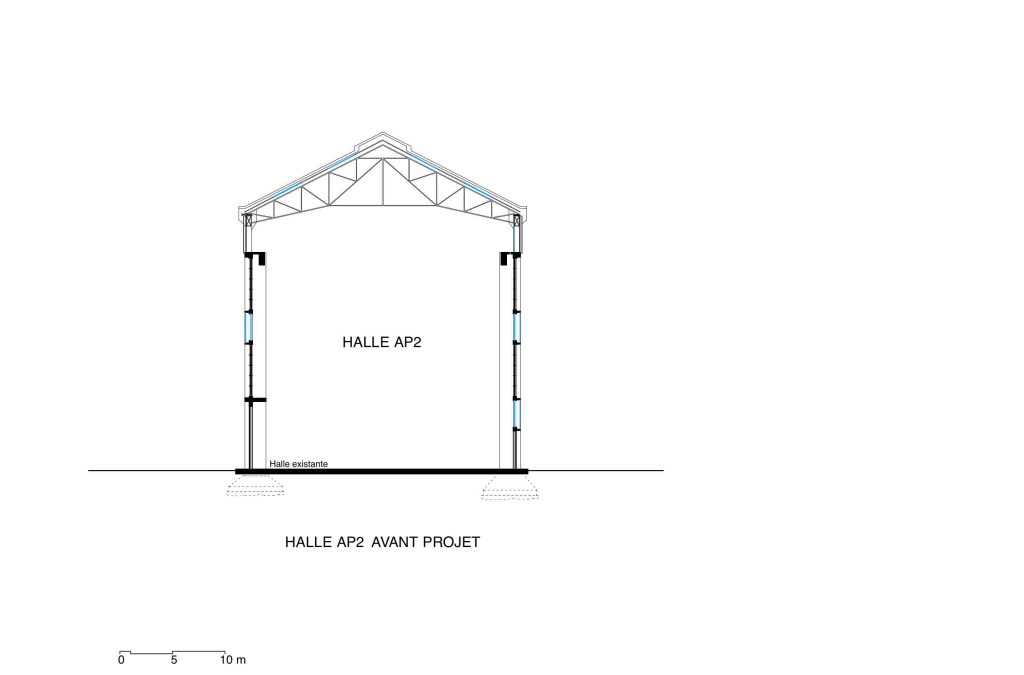
The North region FRAC is located on the site of Dunkerque port in an old boat warehouse called Halle AP2.
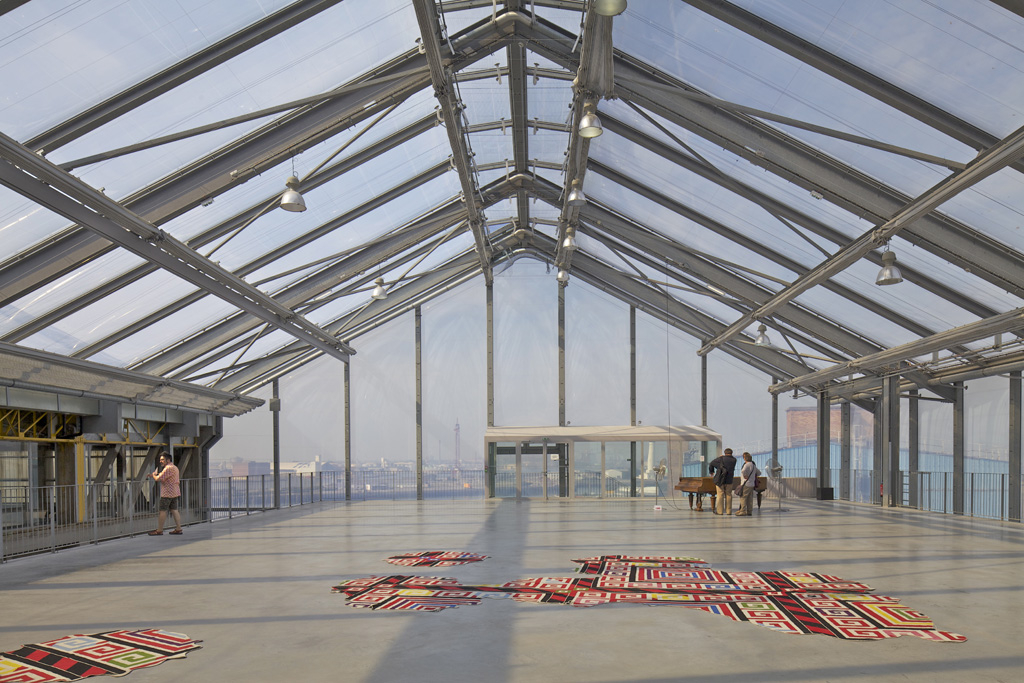
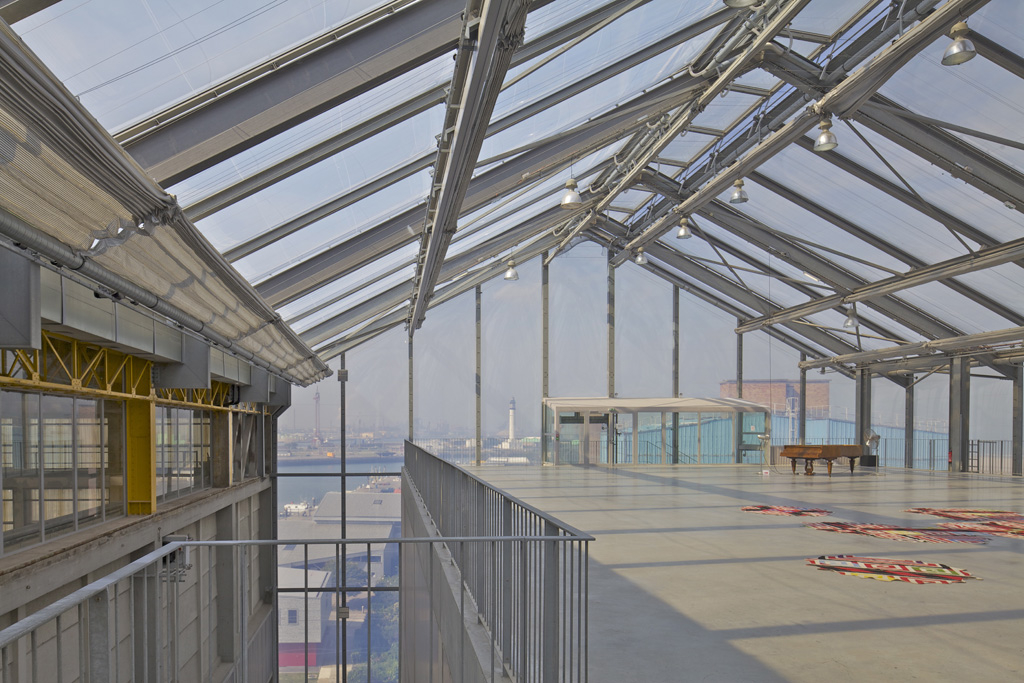
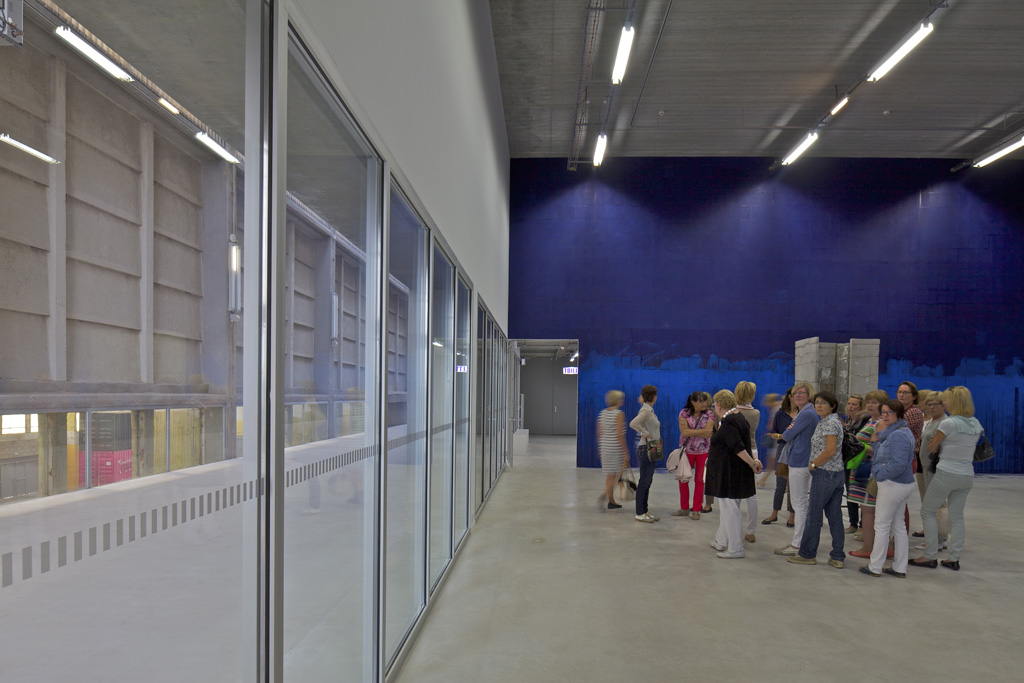
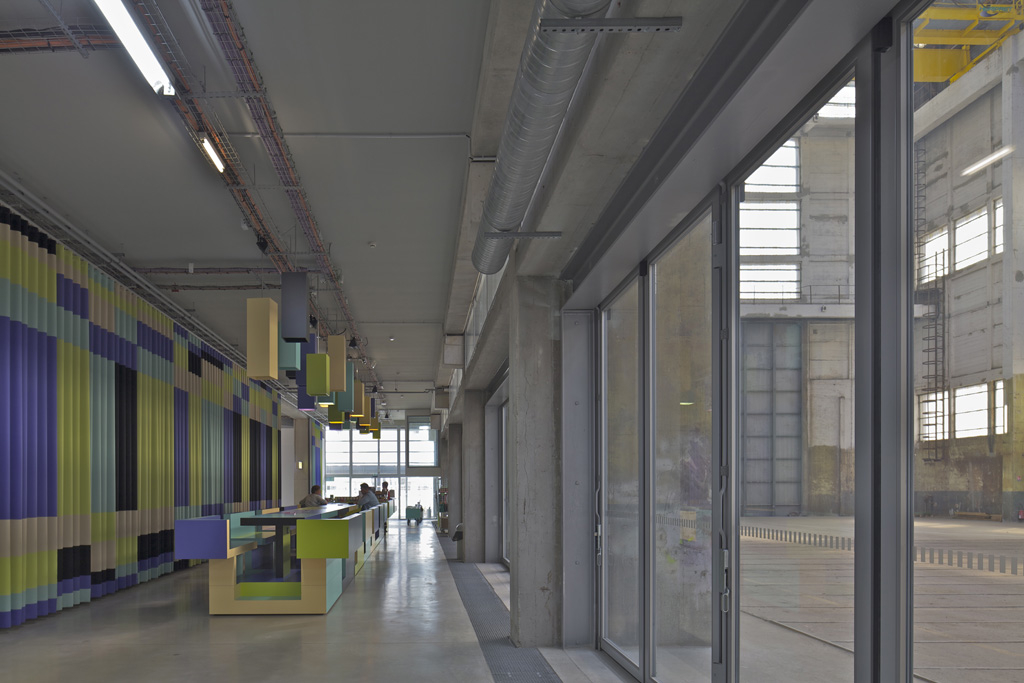
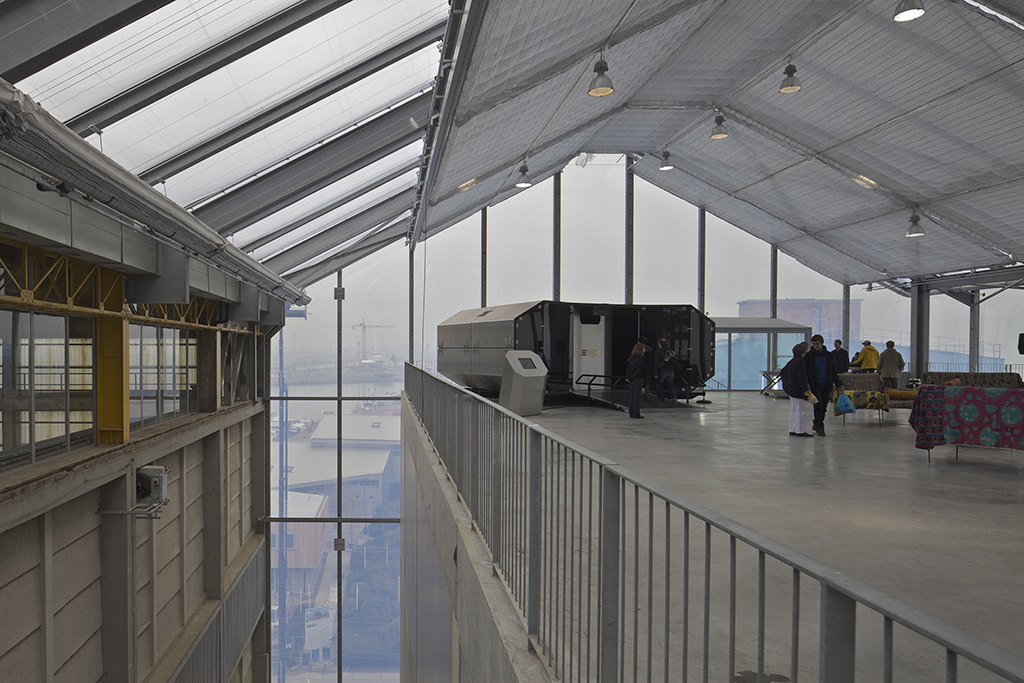
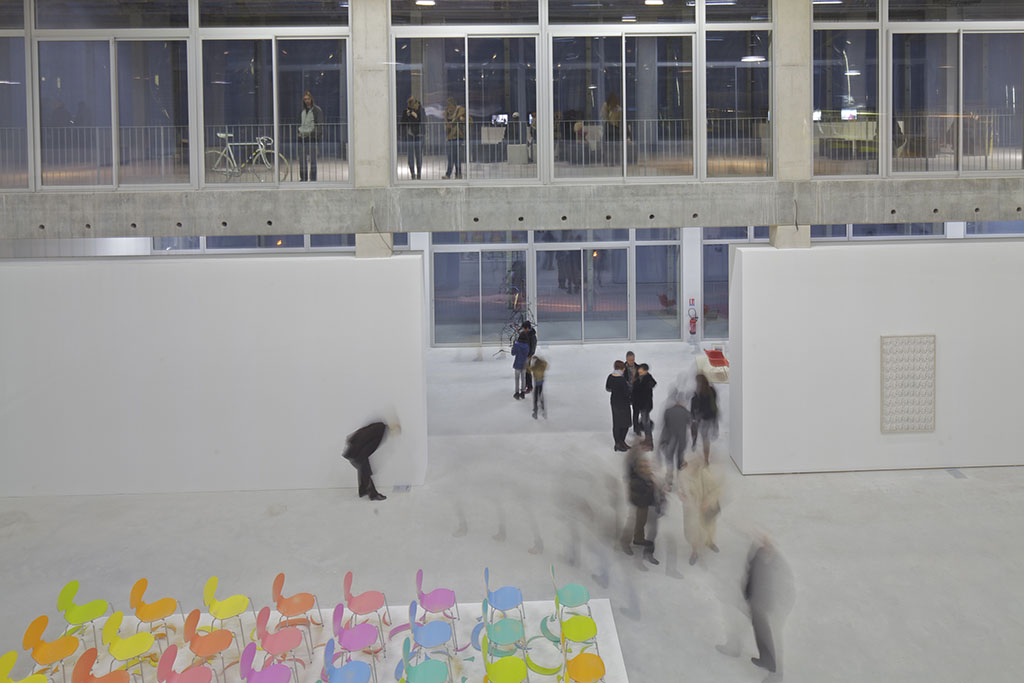
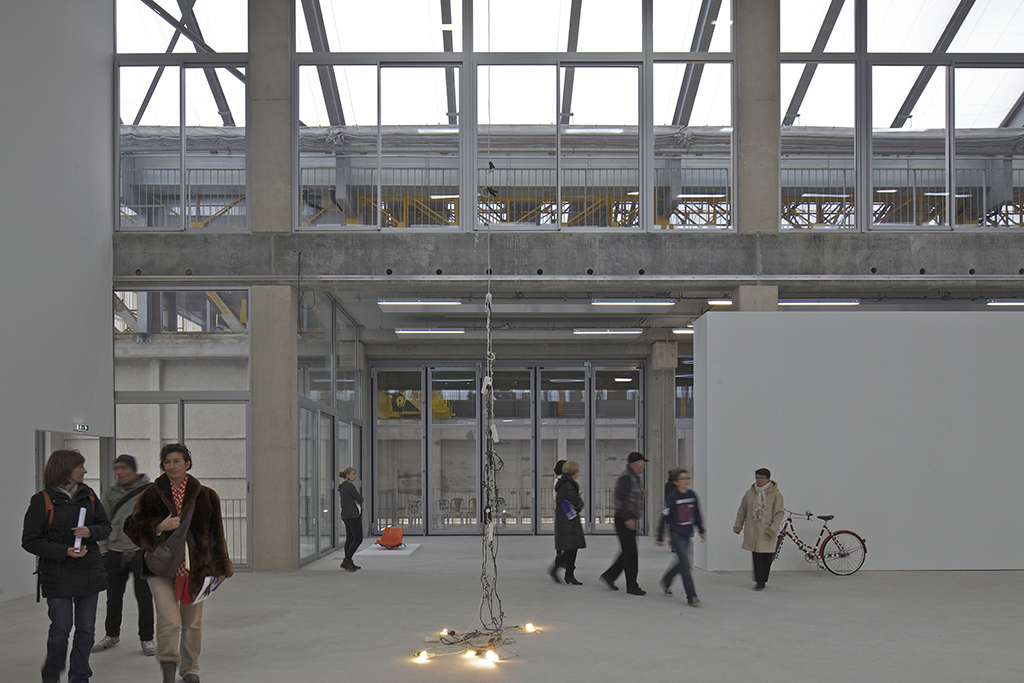
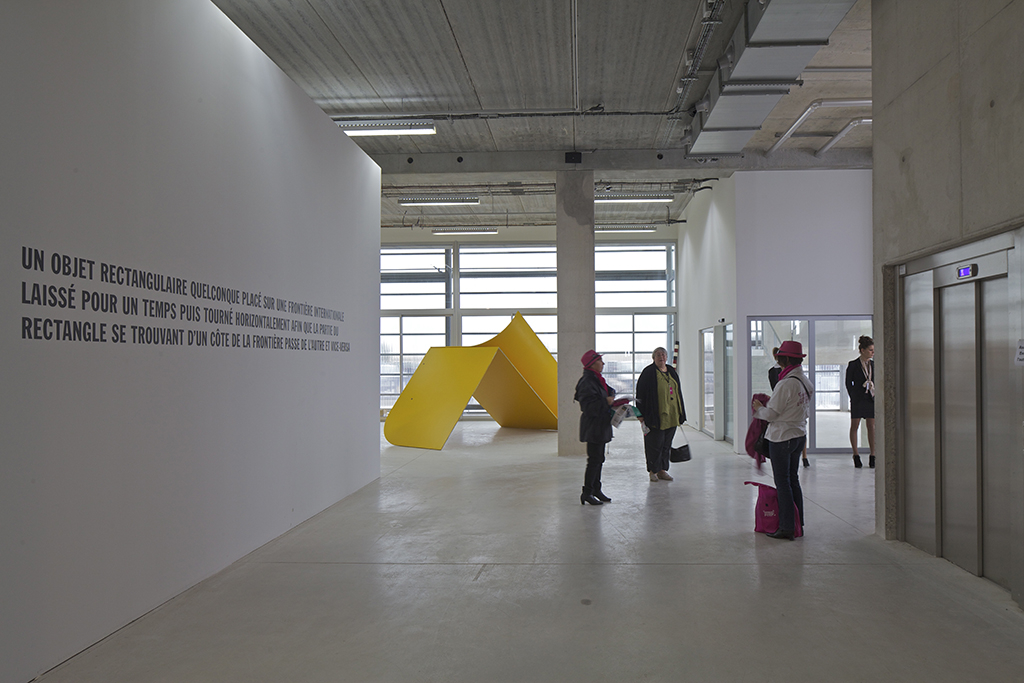
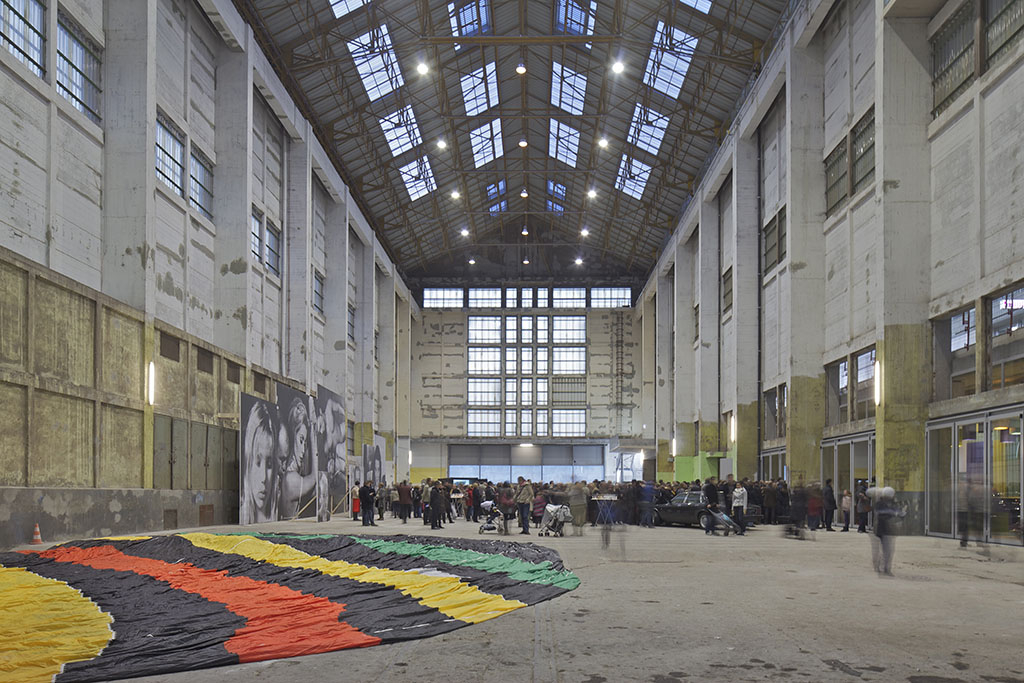
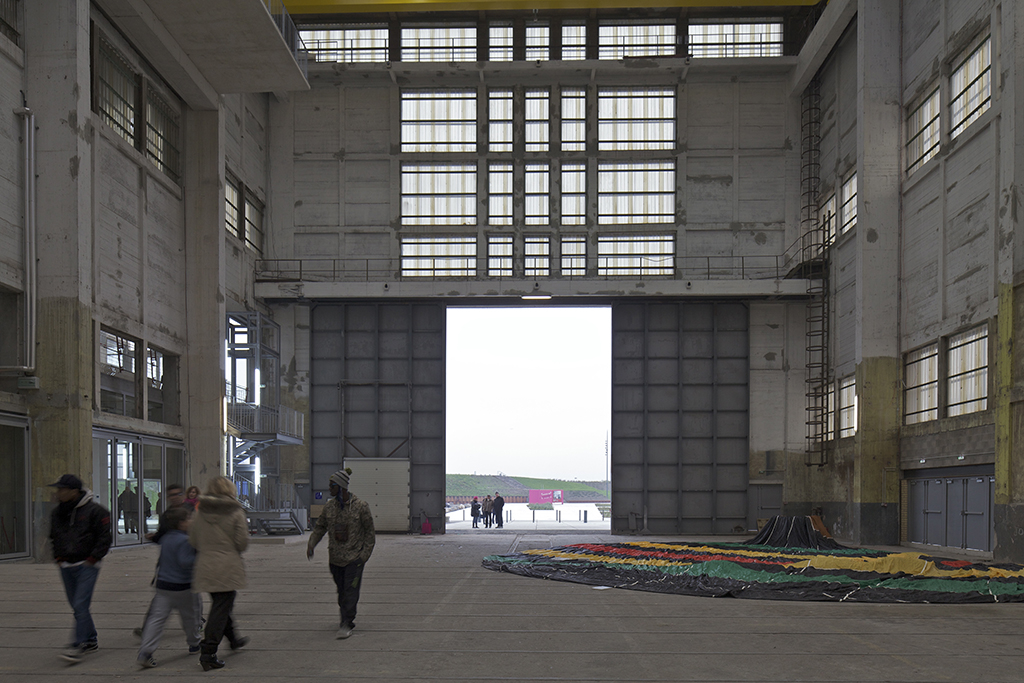
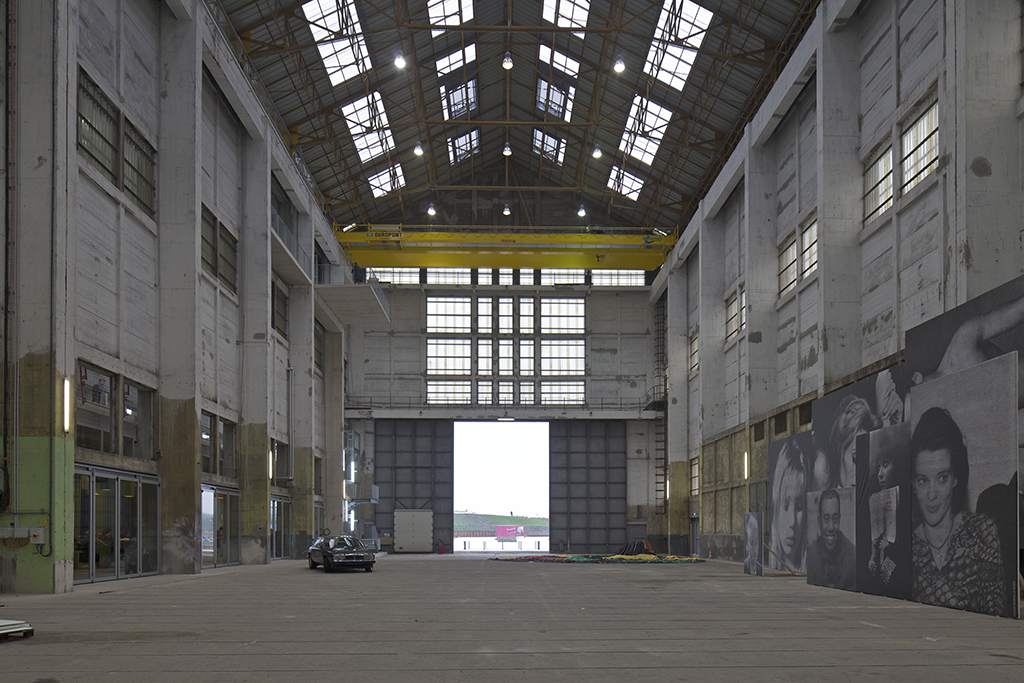
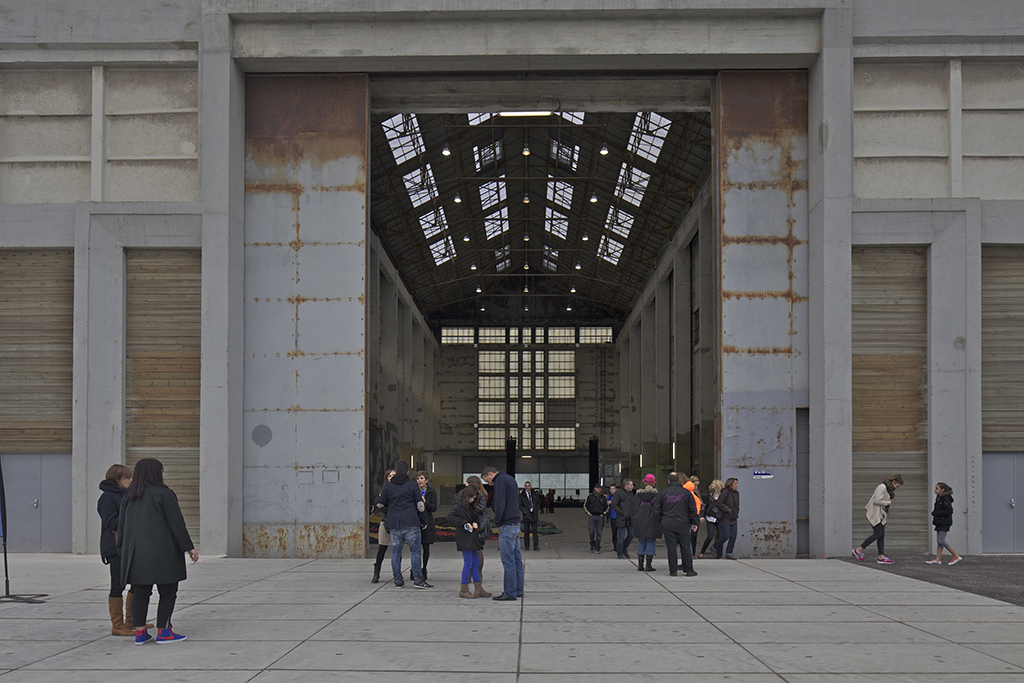
The halle AP2 is a singular and symbolic object. Its internal volume is immense, bright, impressive. Its potential for uses is exceptional.
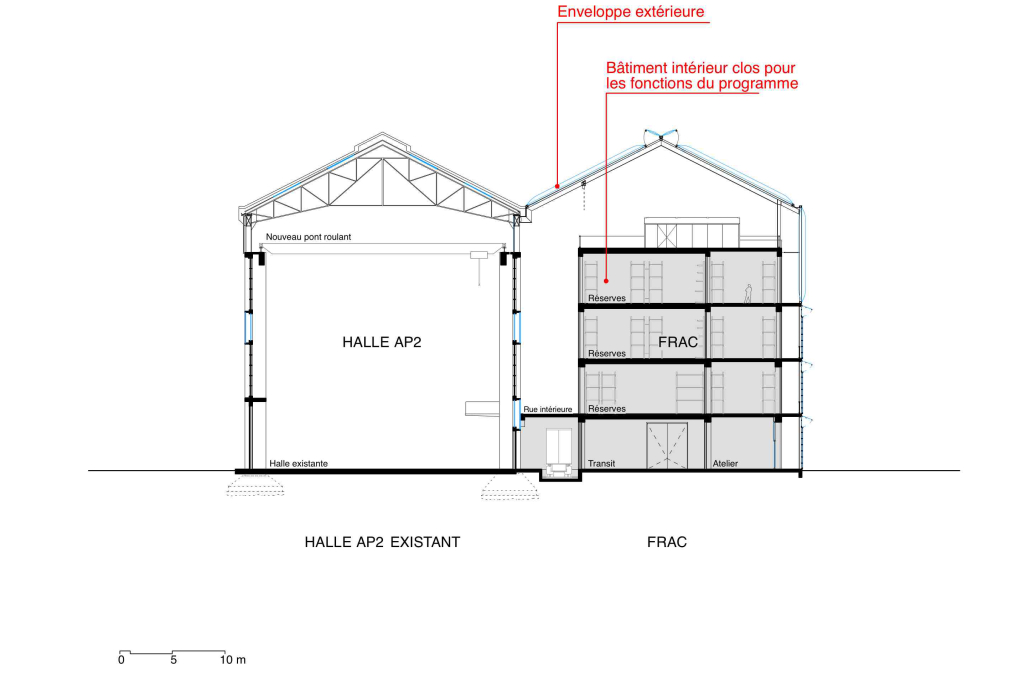
To implant the FRAC, as a catalyst for the new area, and also to keep the halle in its entirety becomes the basic idea of our project.
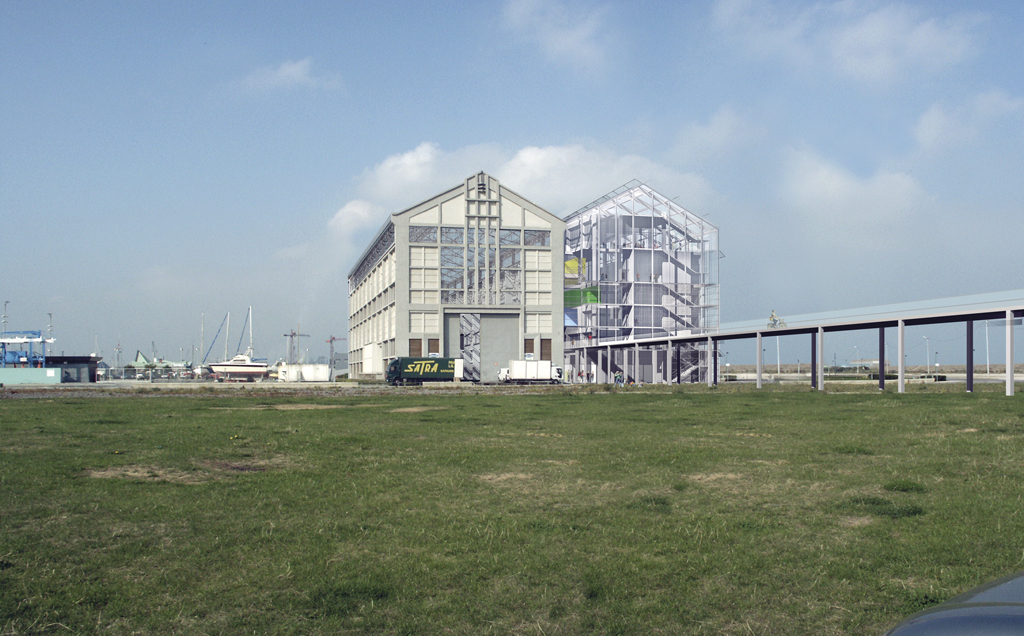
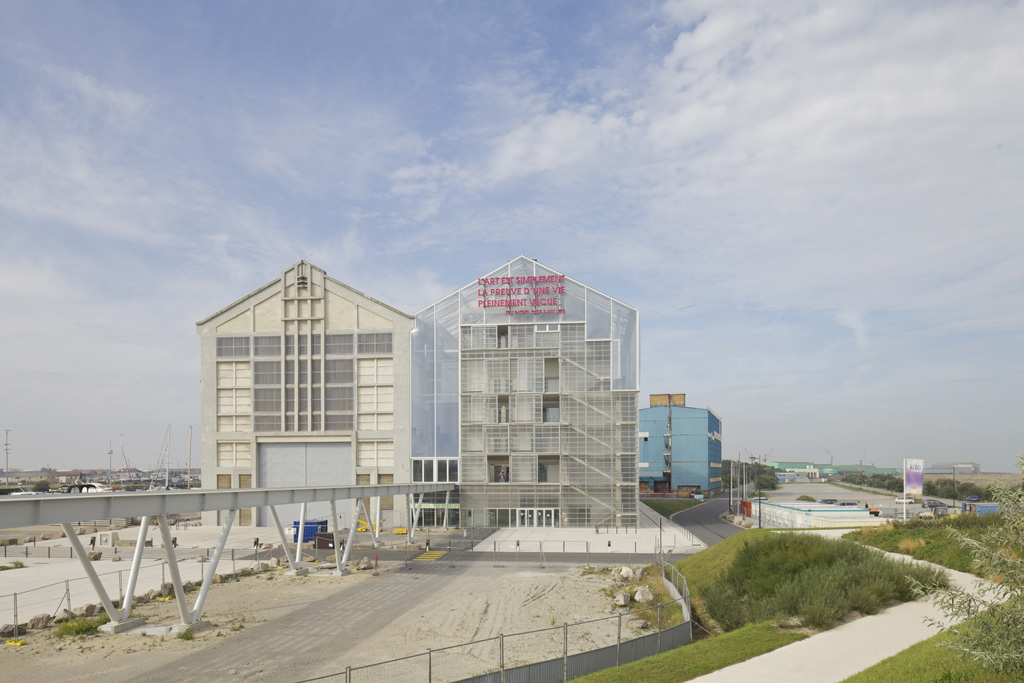
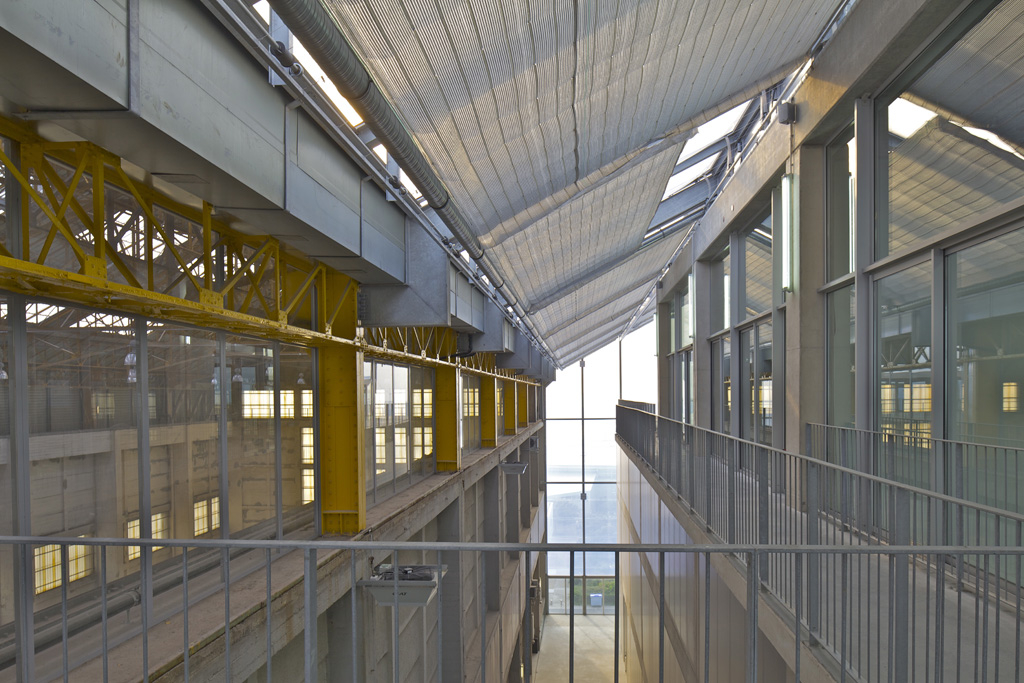
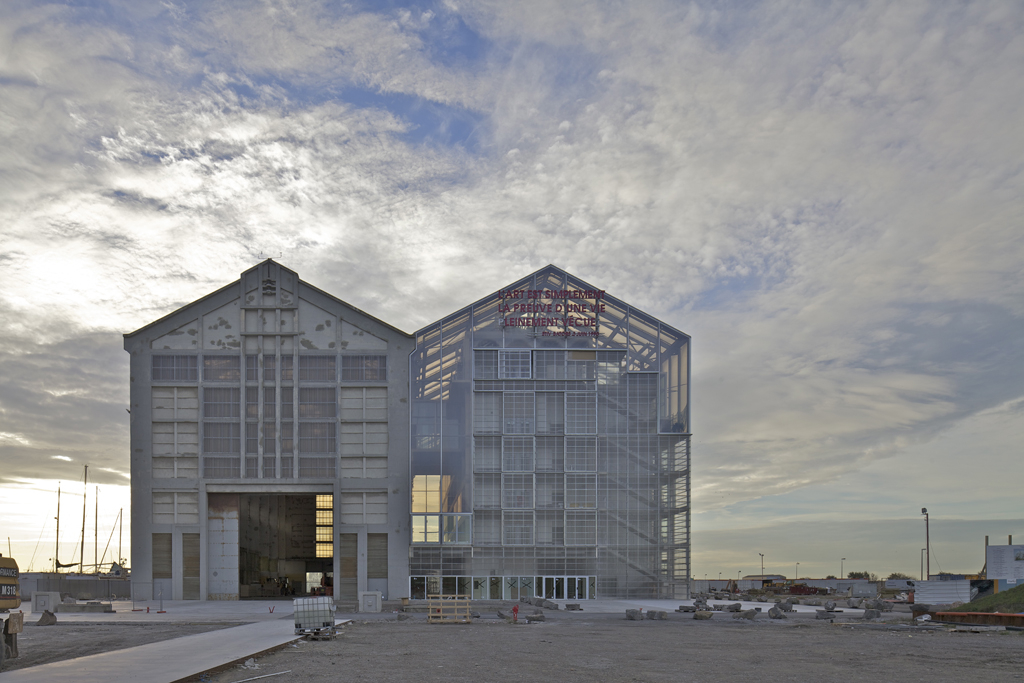
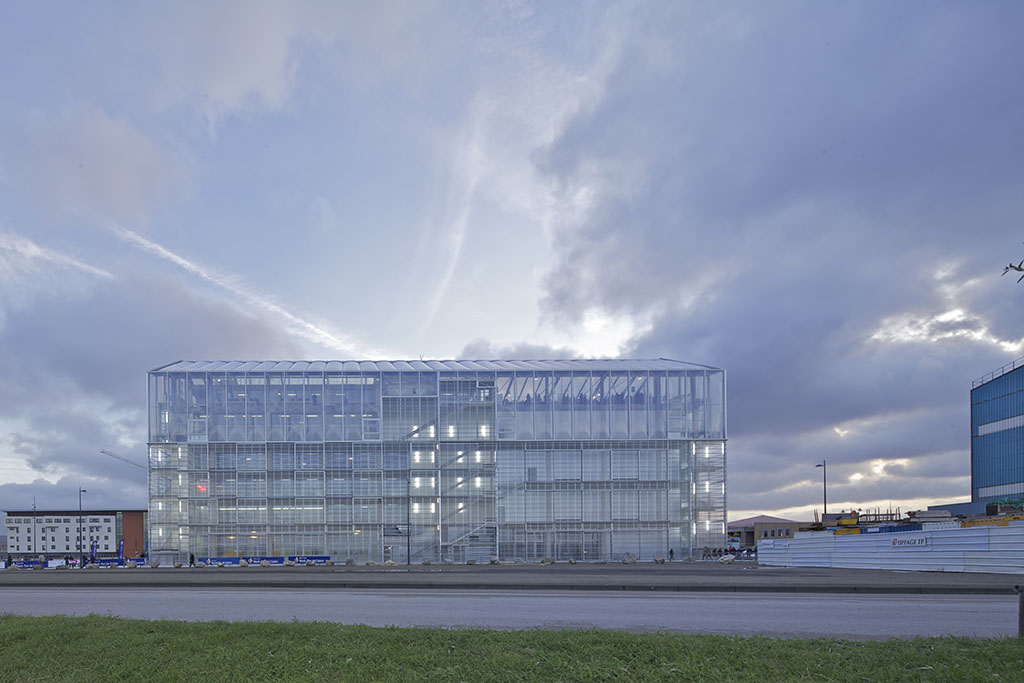
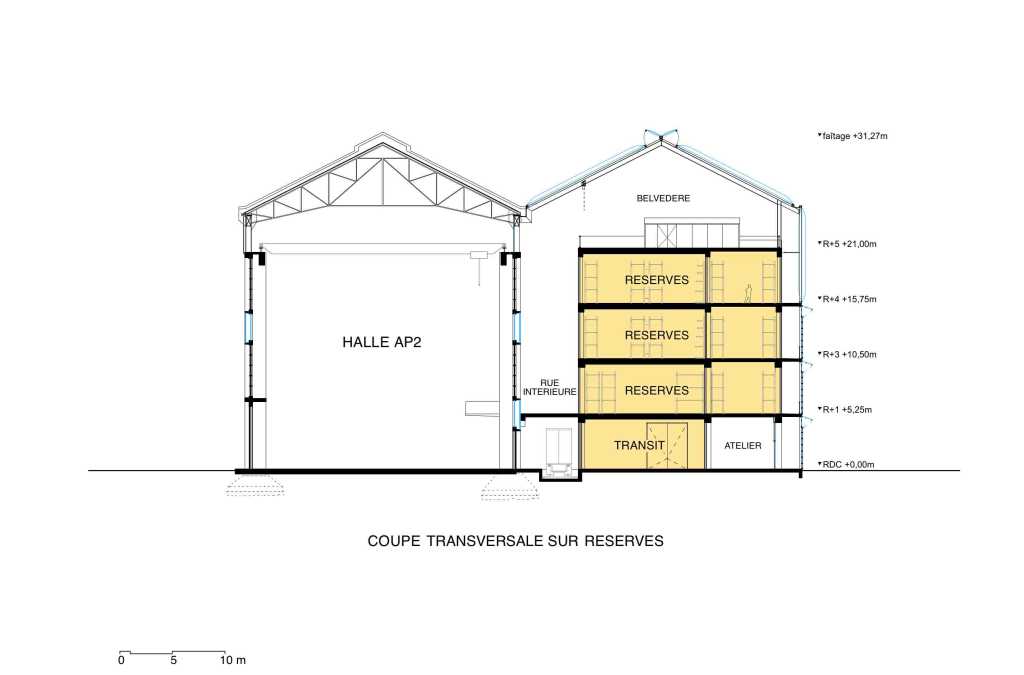
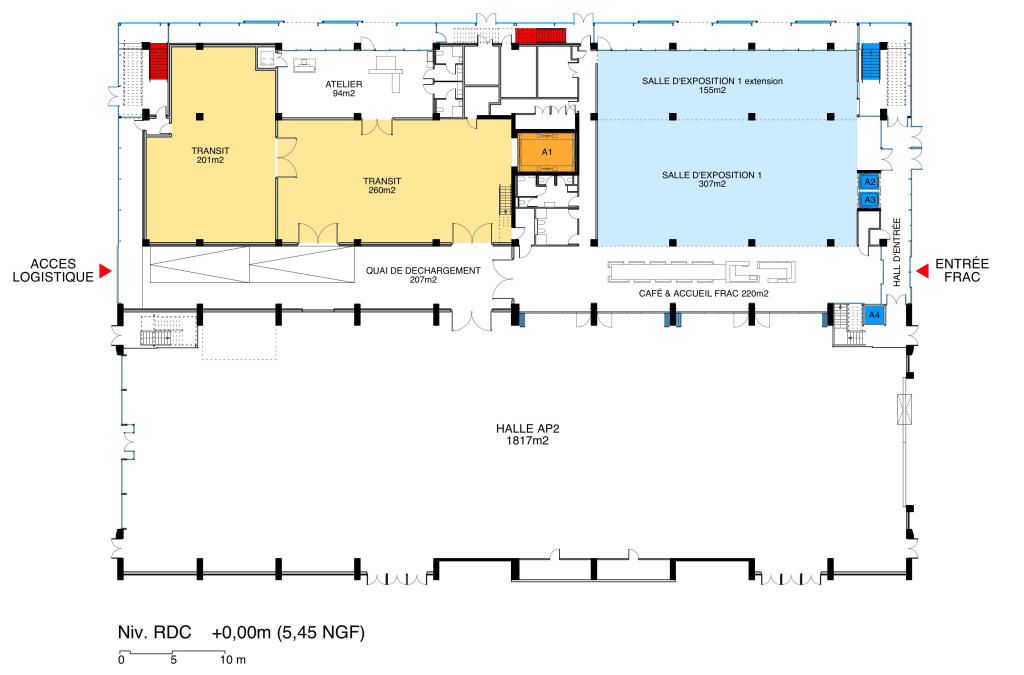
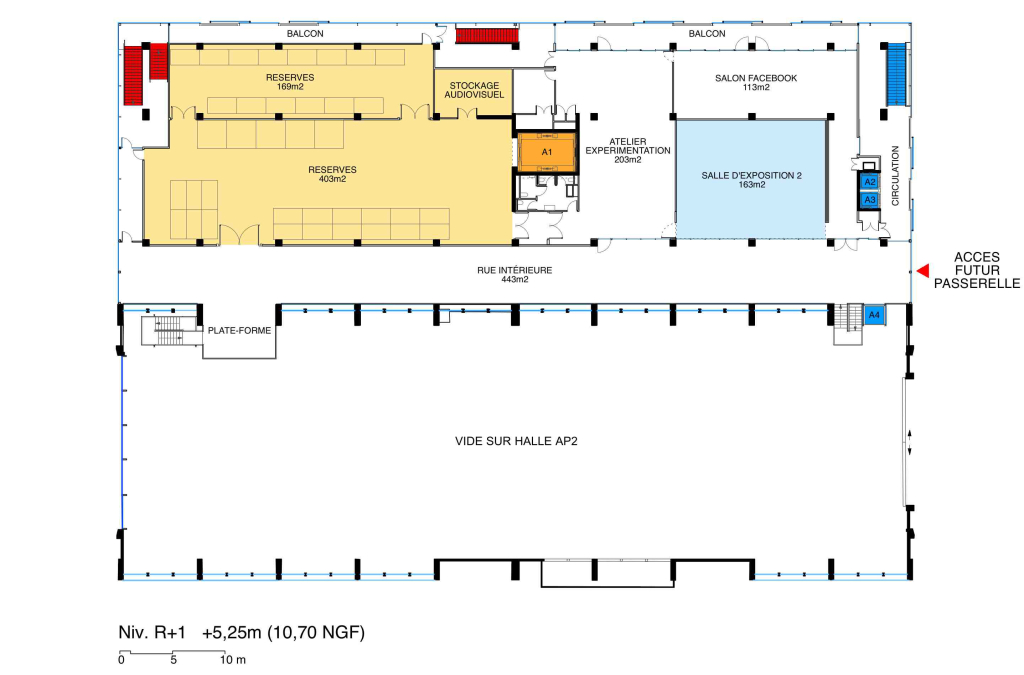
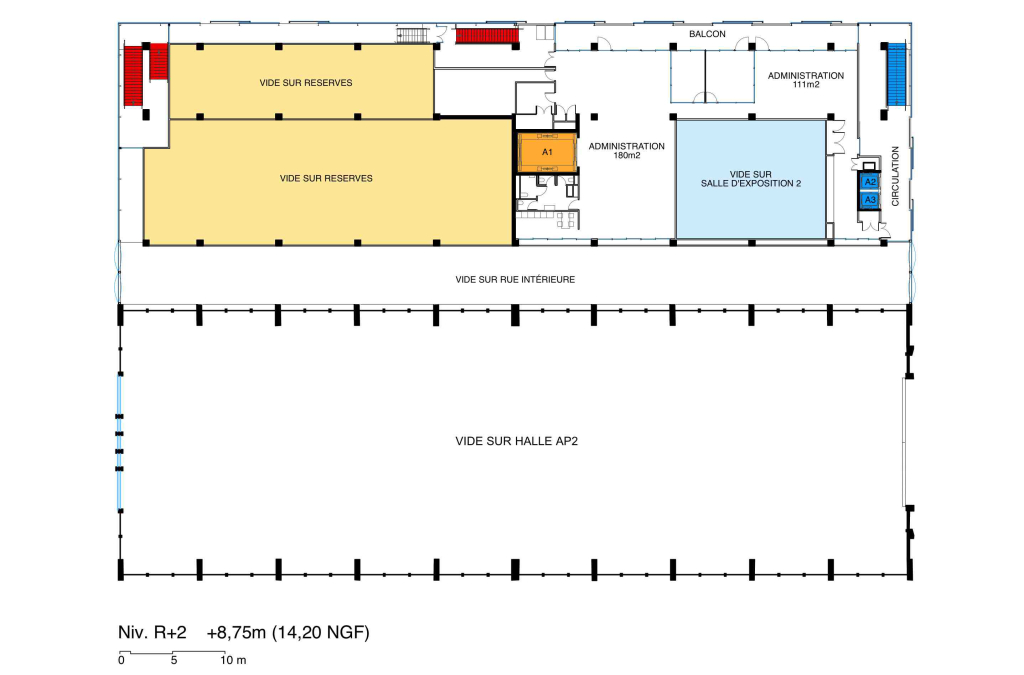
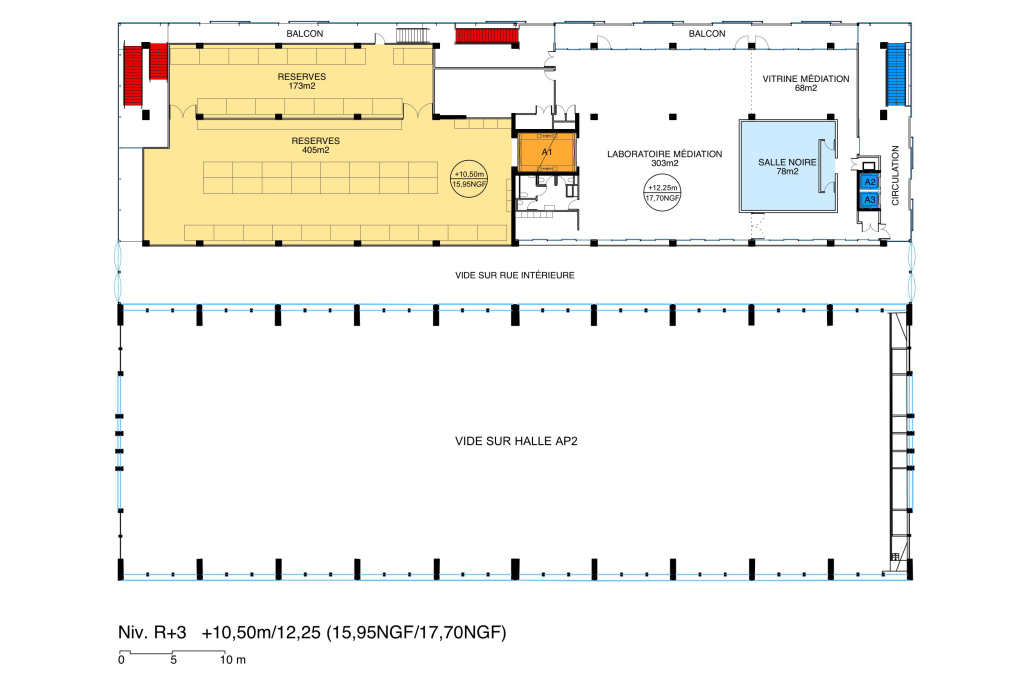
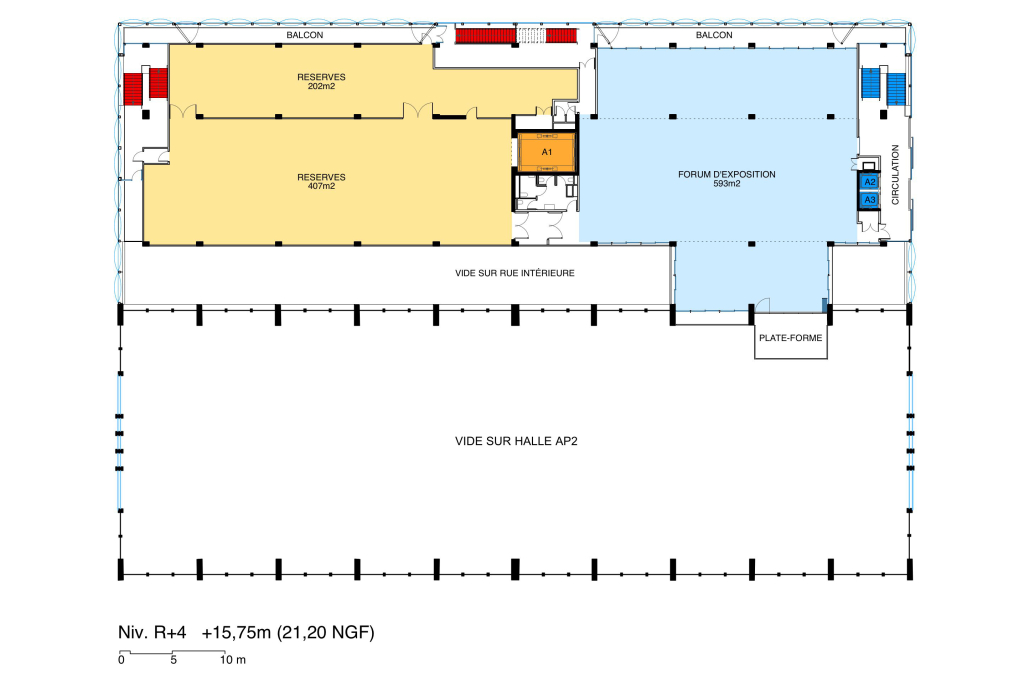
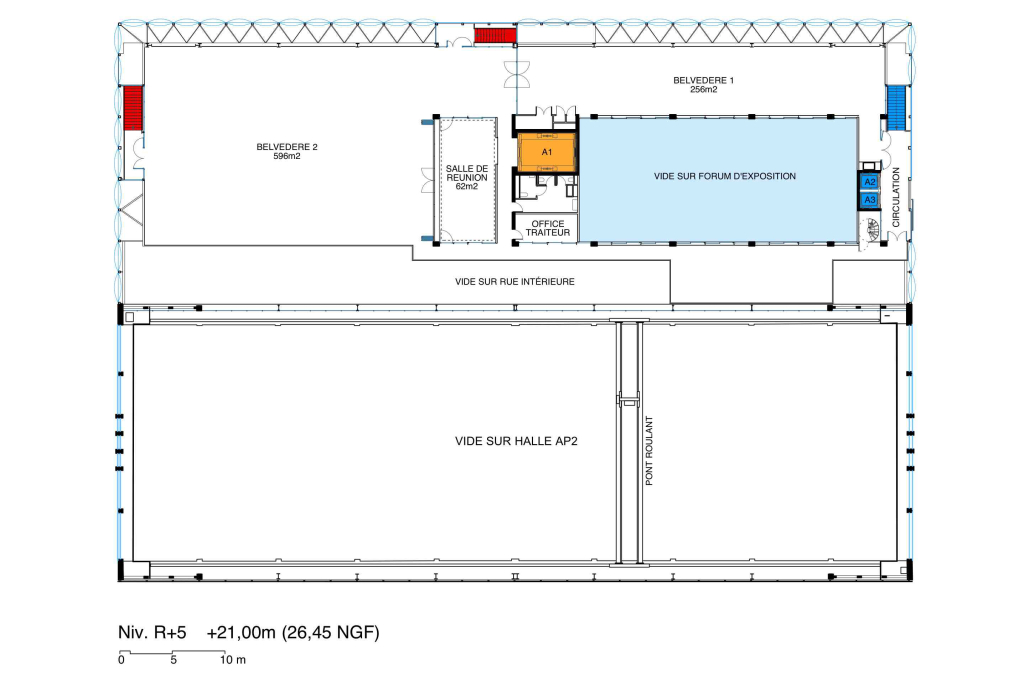
To achieve this concept, the project creates a double of the halle, of the same dimension, attached to the existing building, on the side which faces the sea, and which contains the program of the FRAC.
The new building juxtaposes delicately without competing nor fading. The duplication is the attentive response to the identity of the halle;
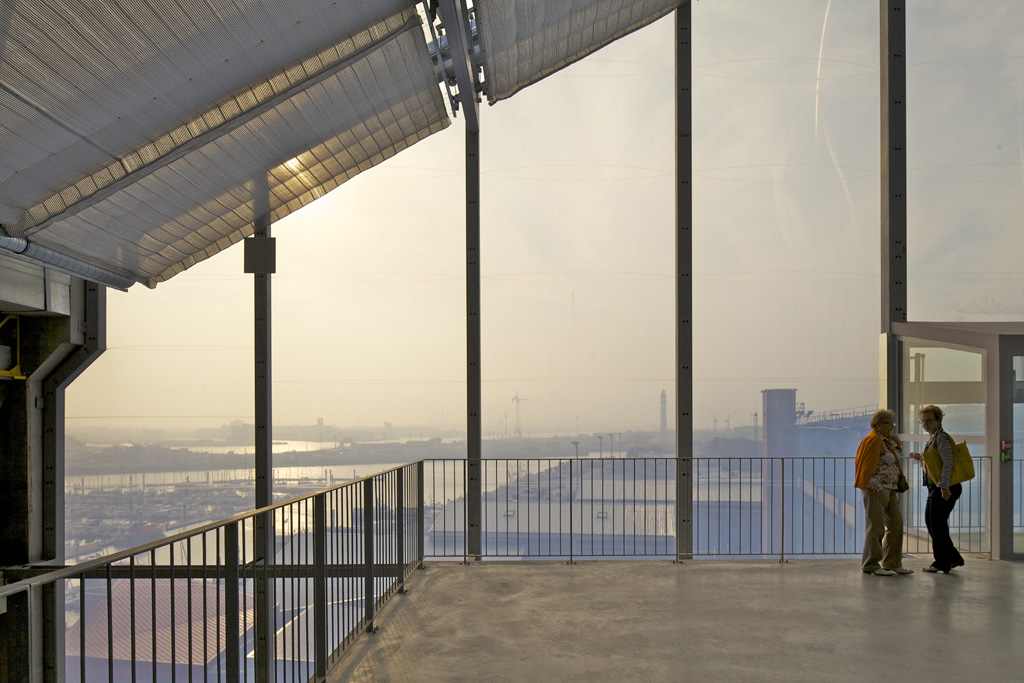
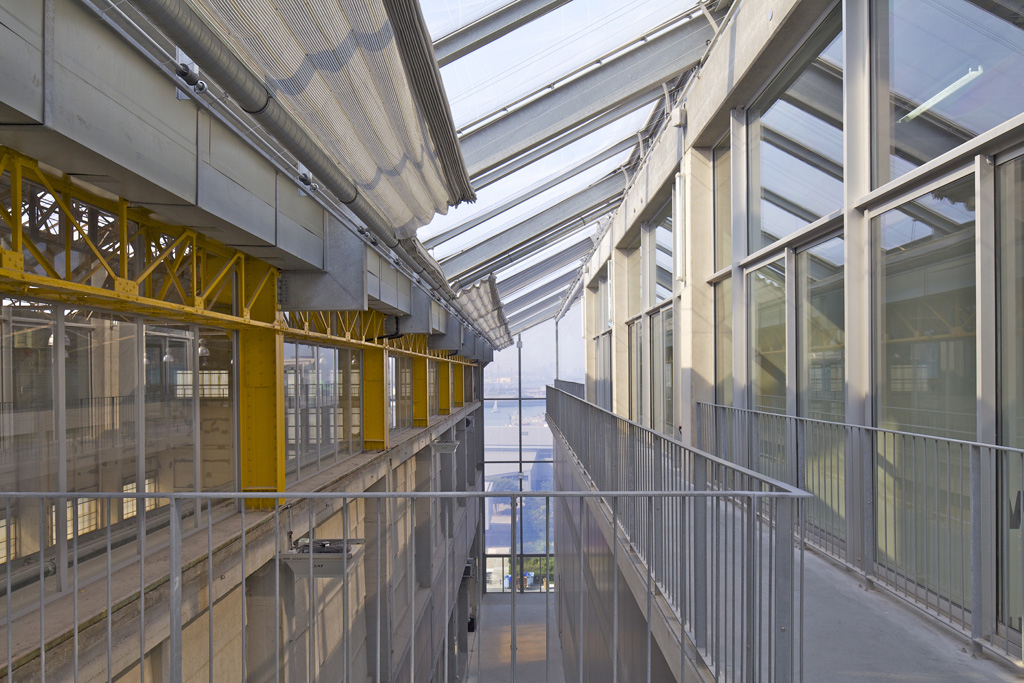
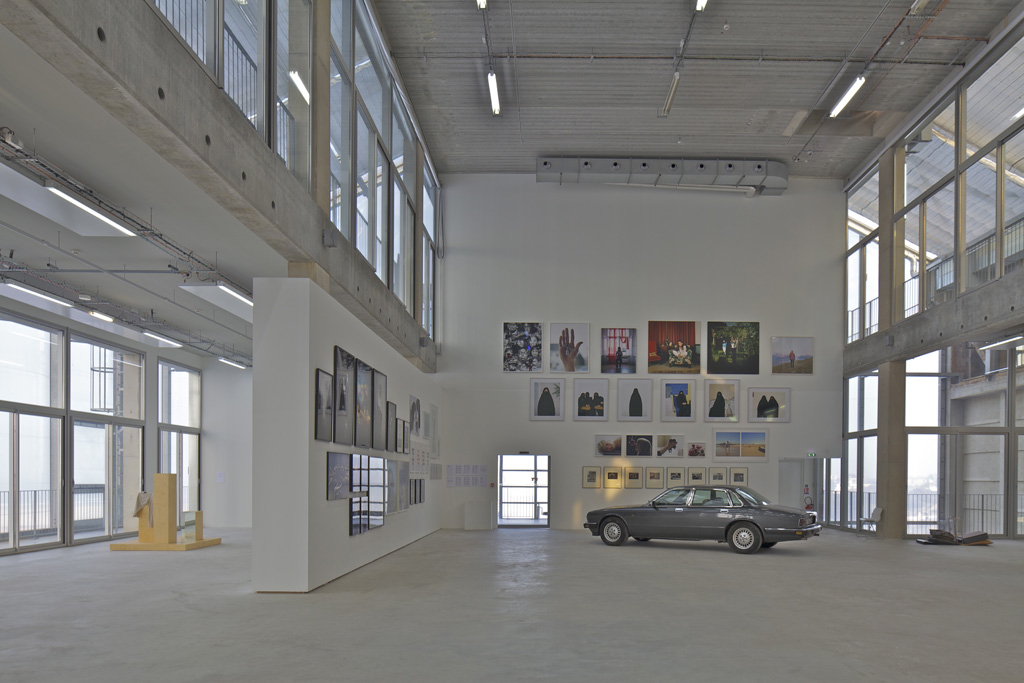
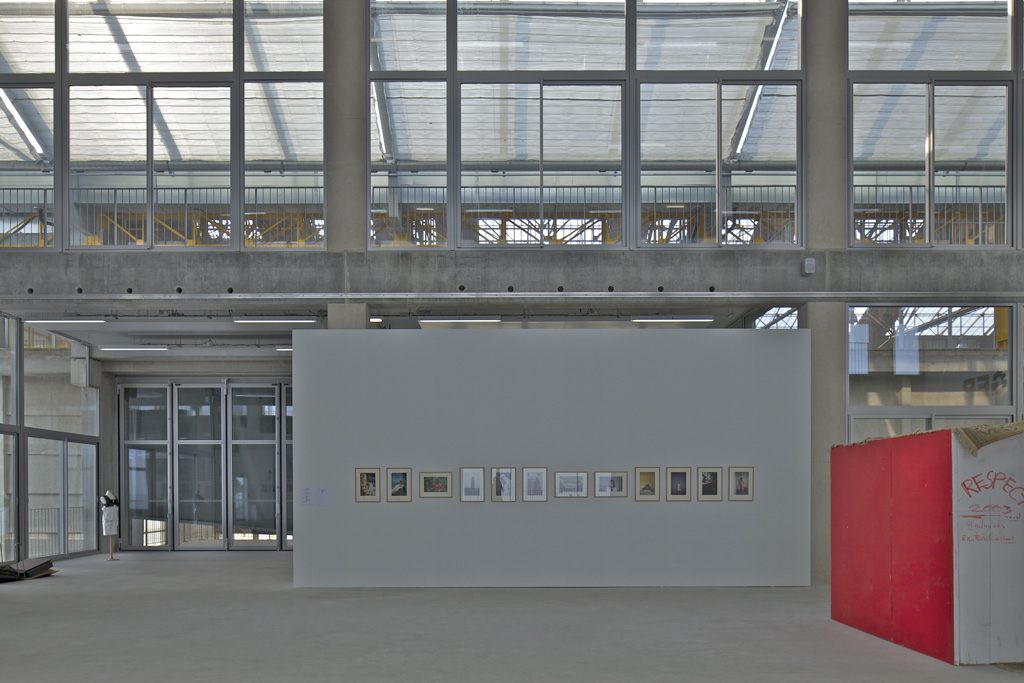
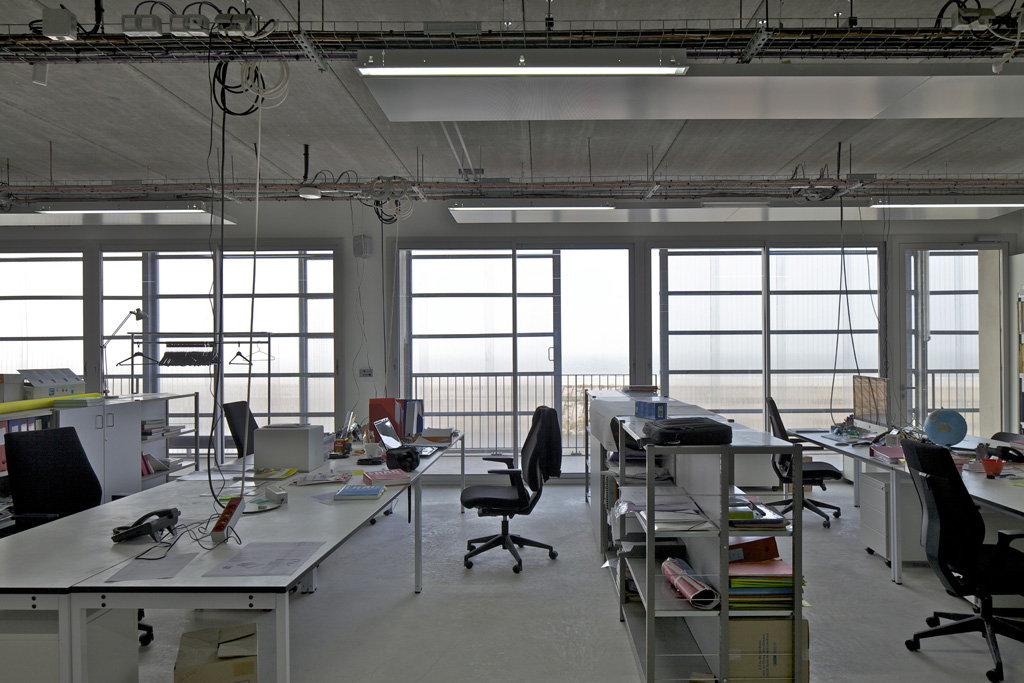
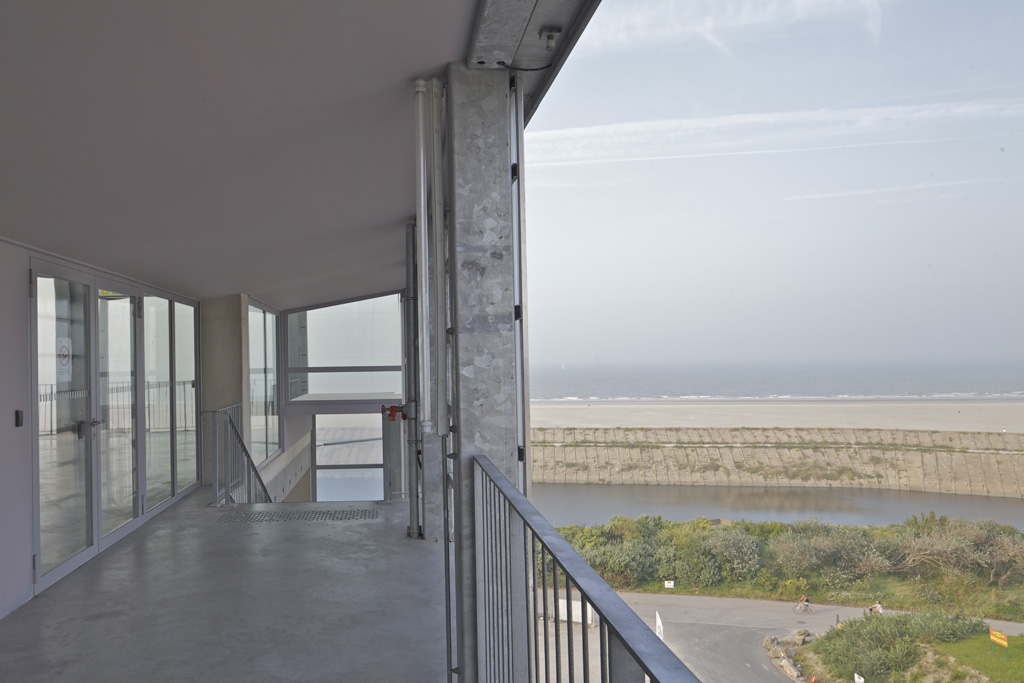
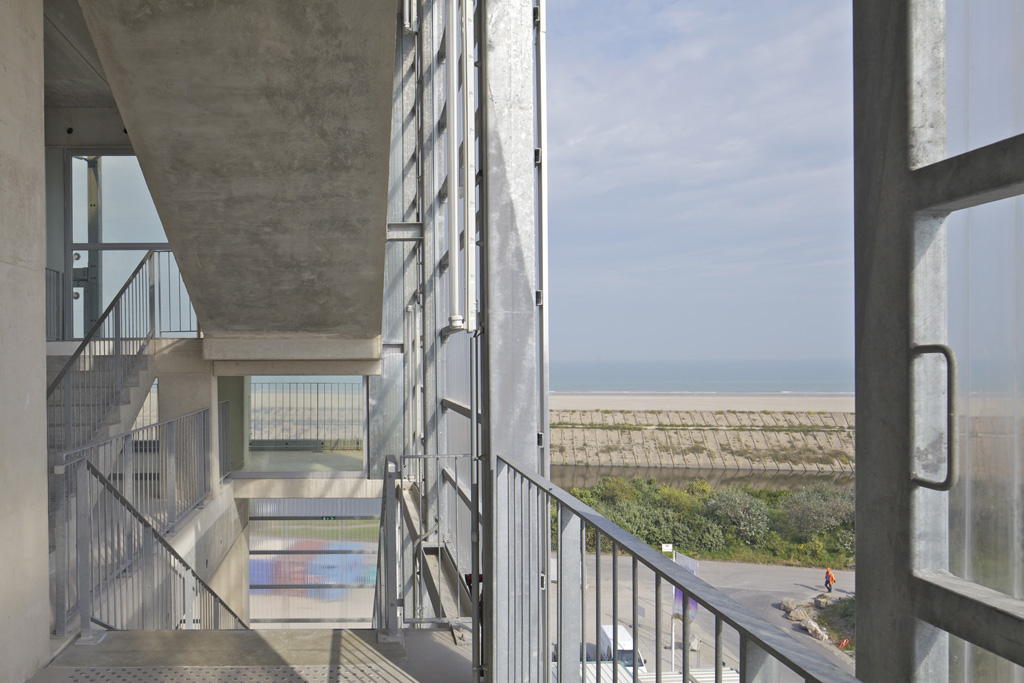
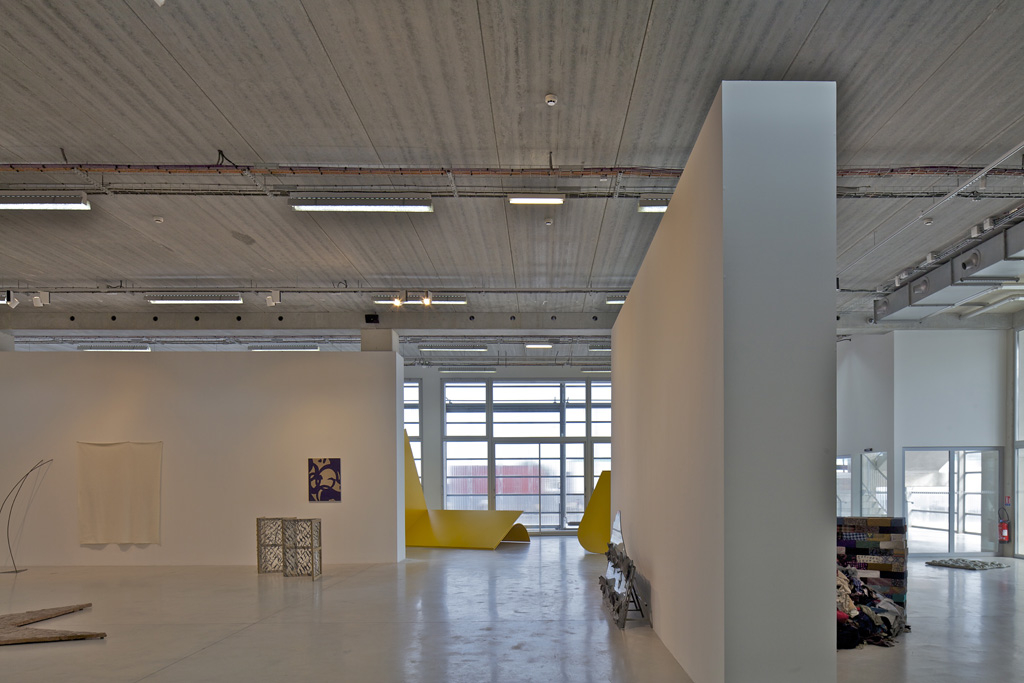
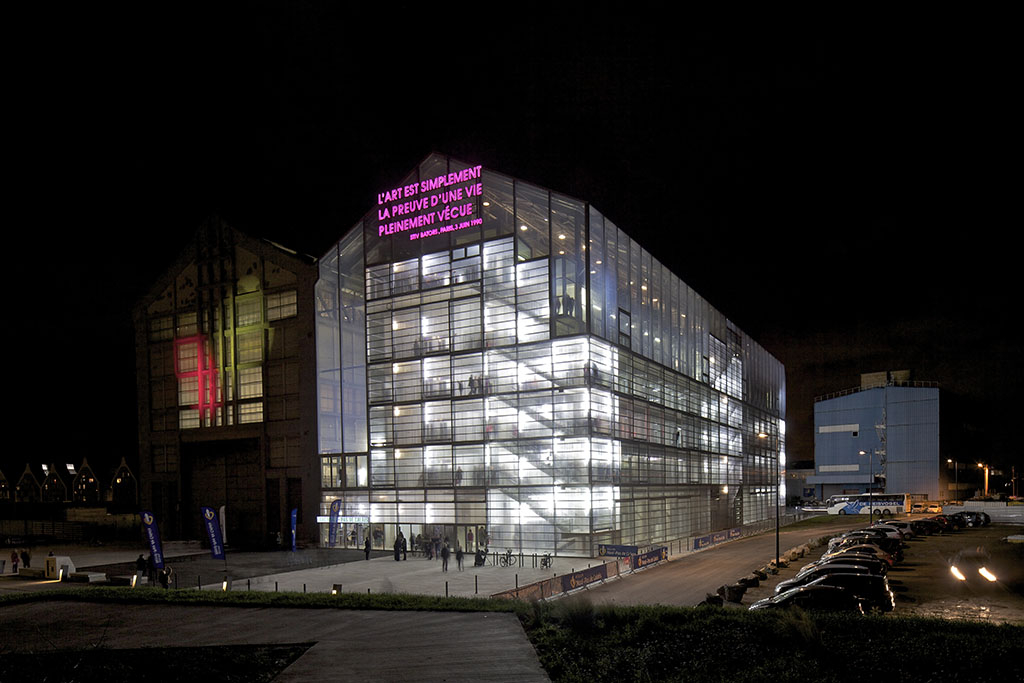
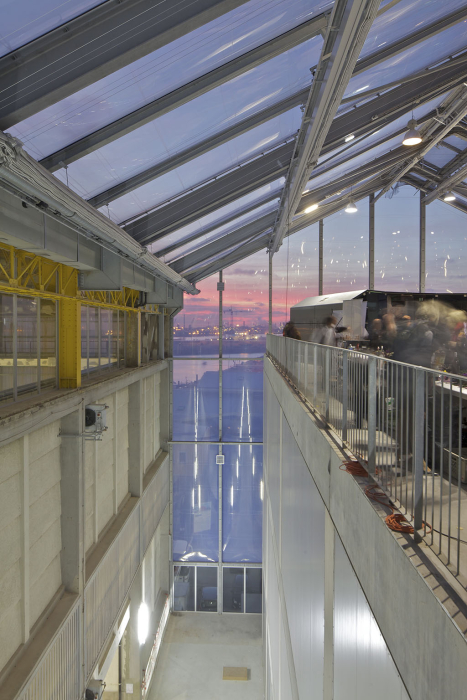
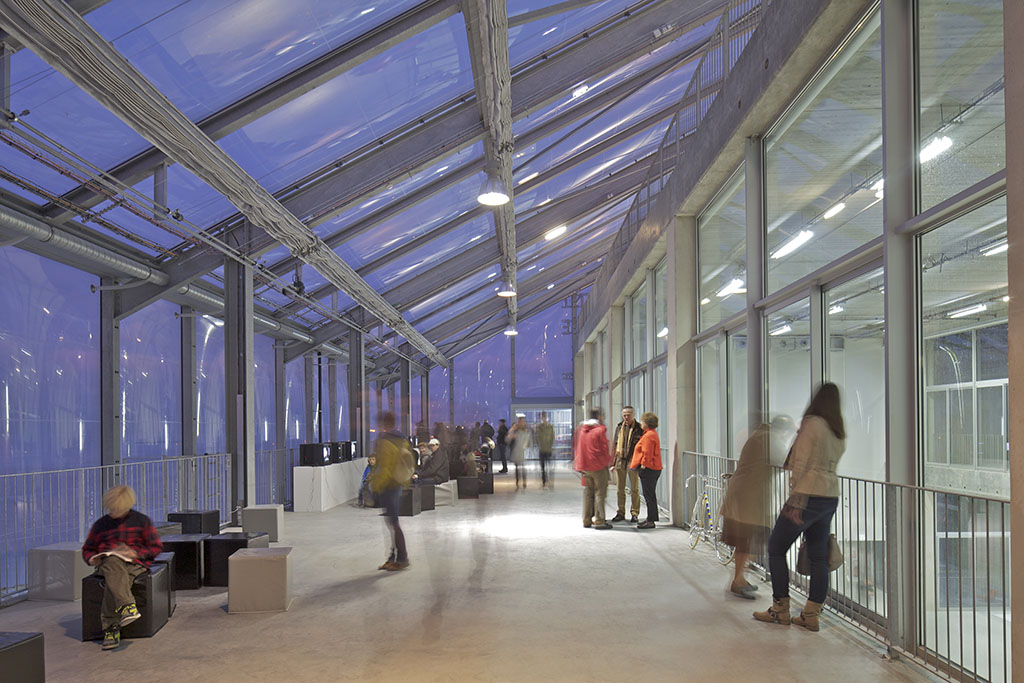
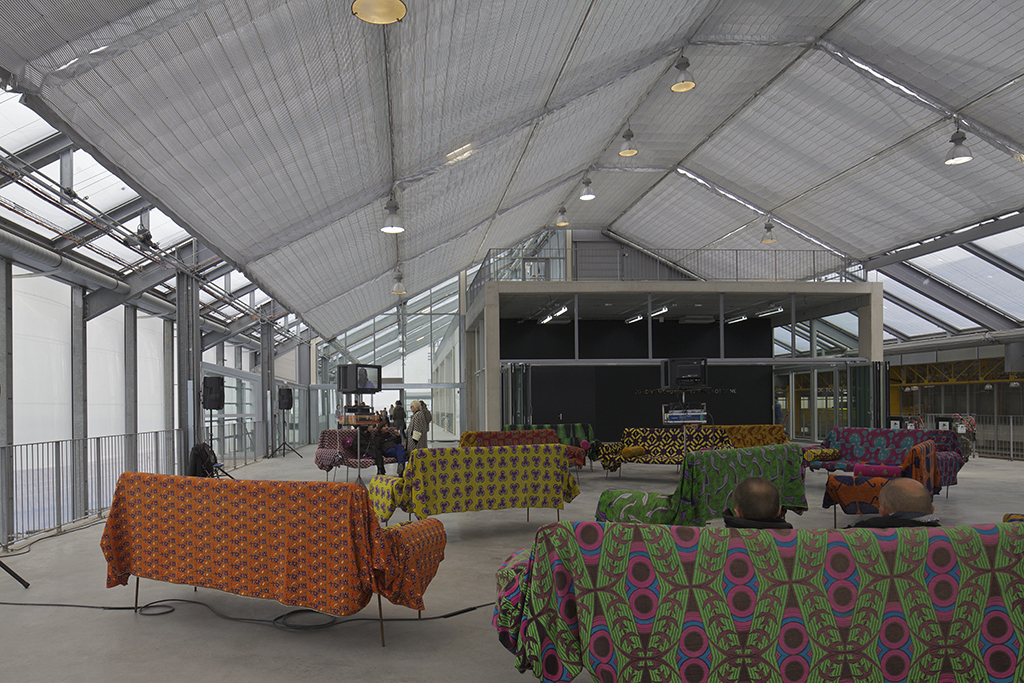
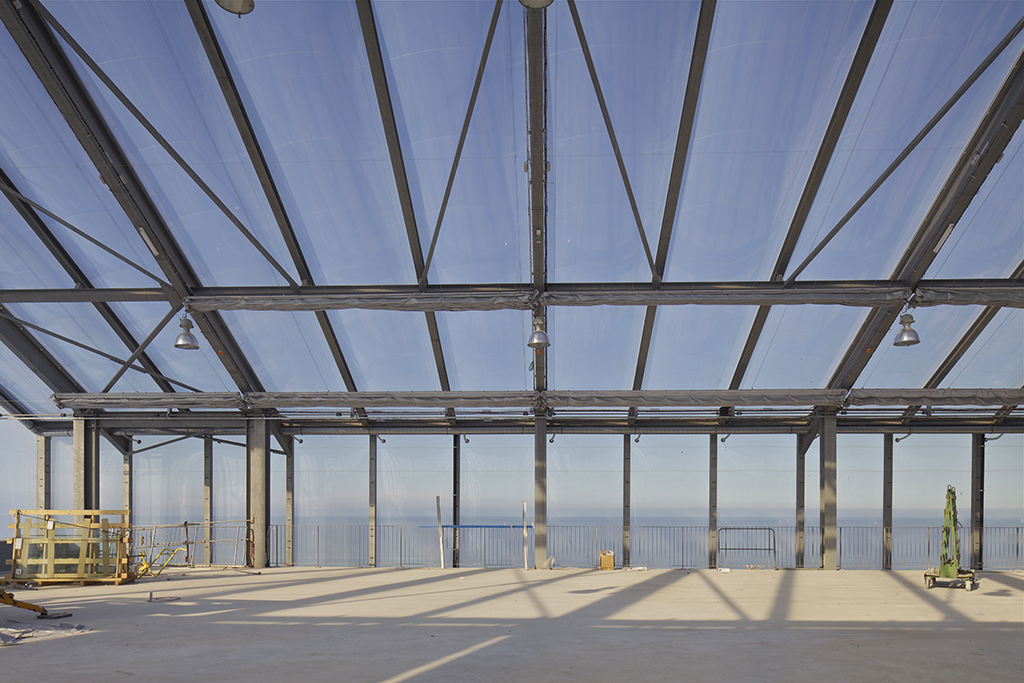
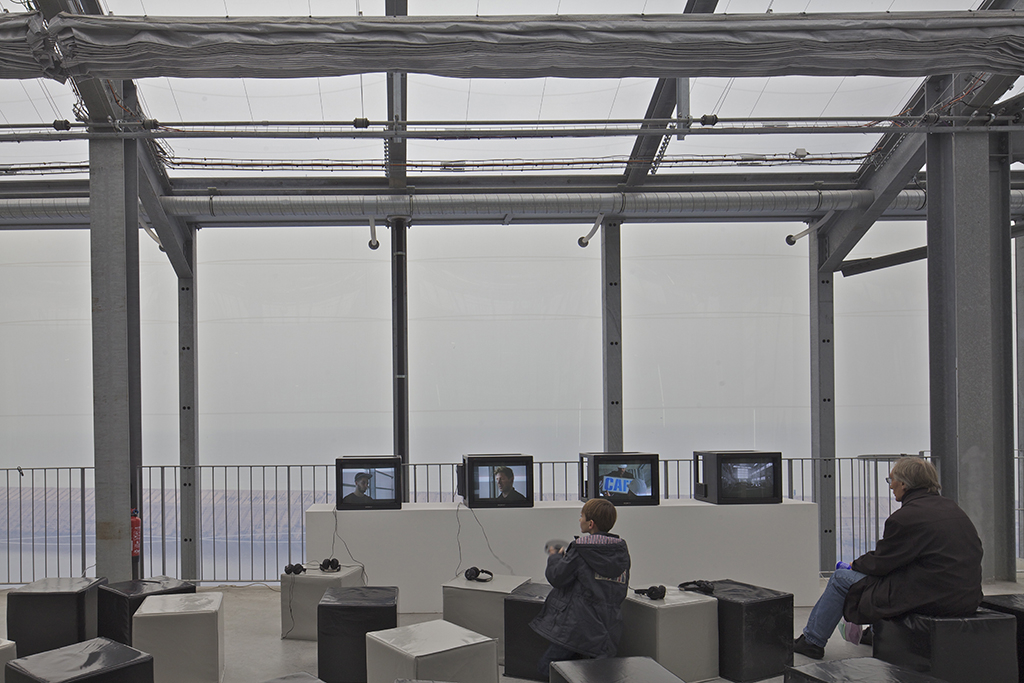
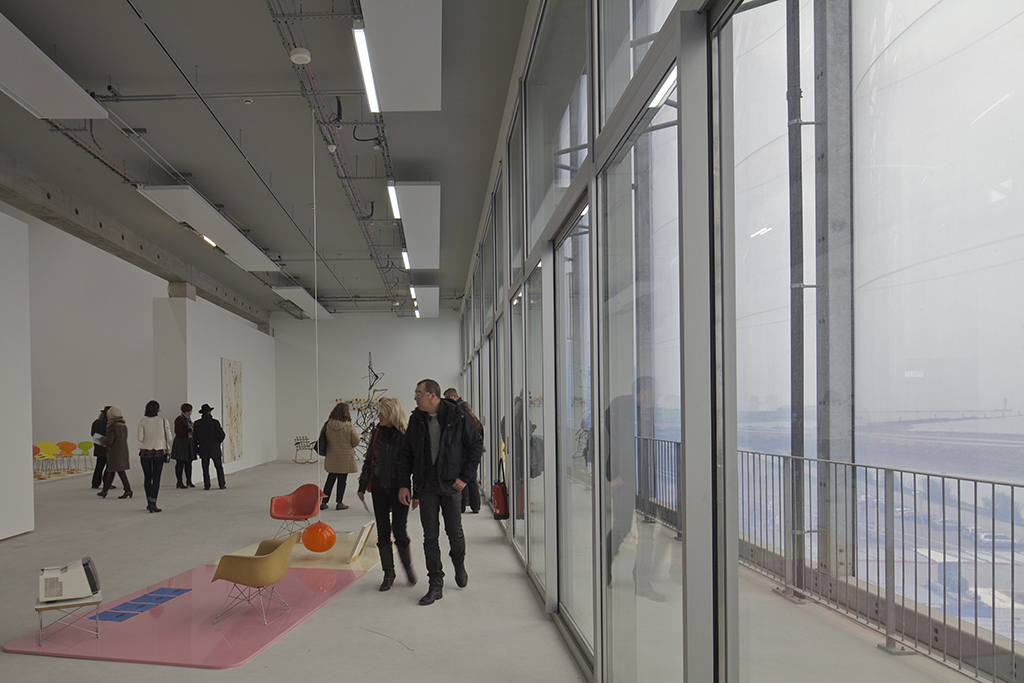
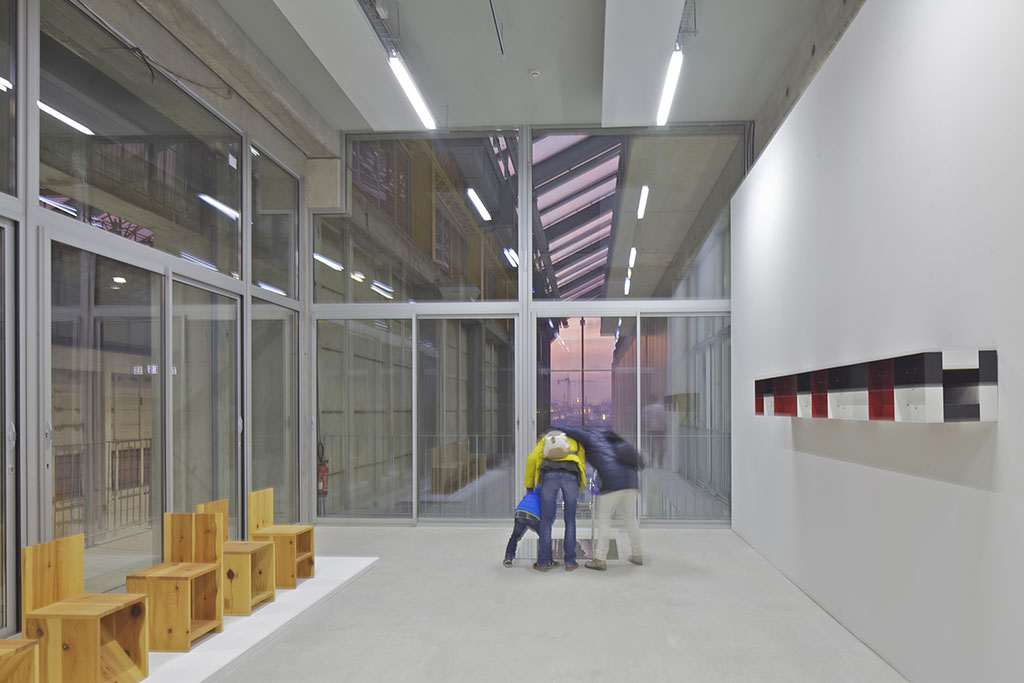
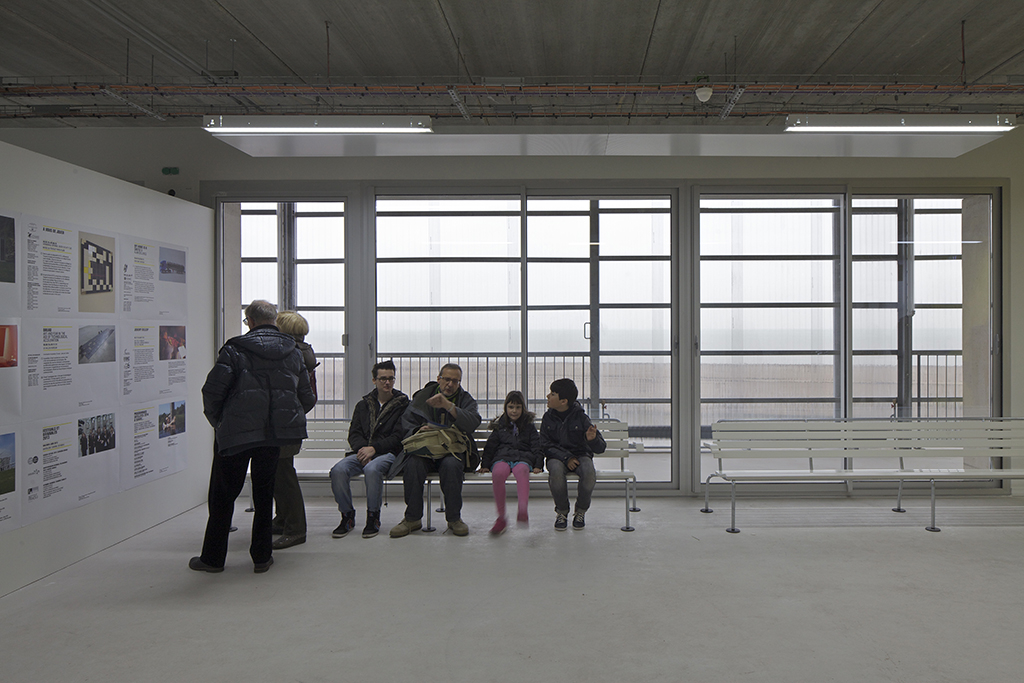
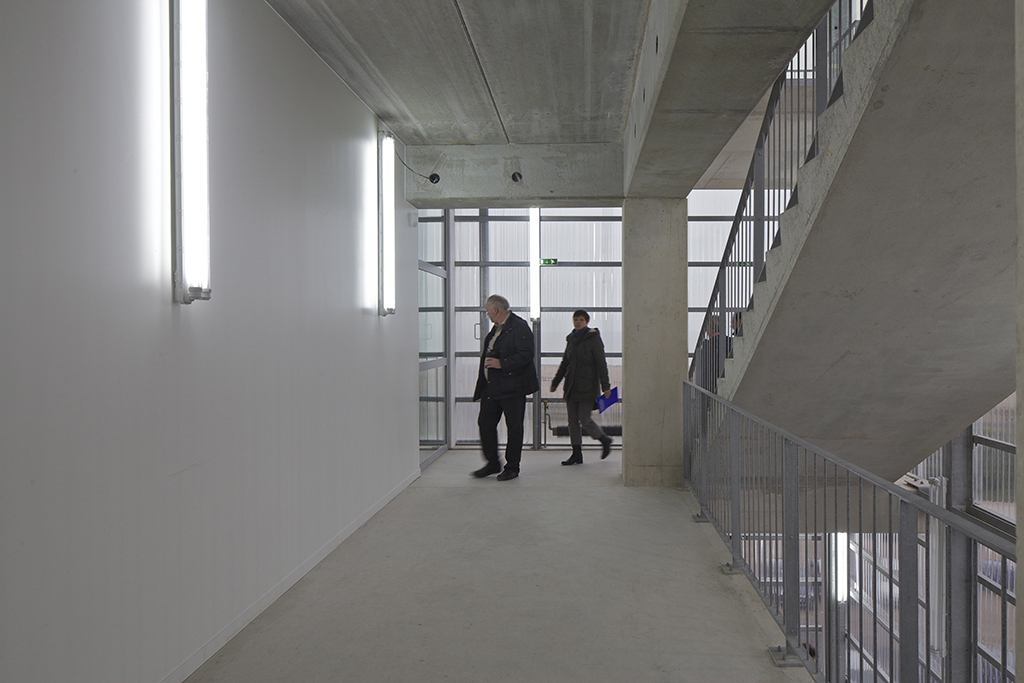
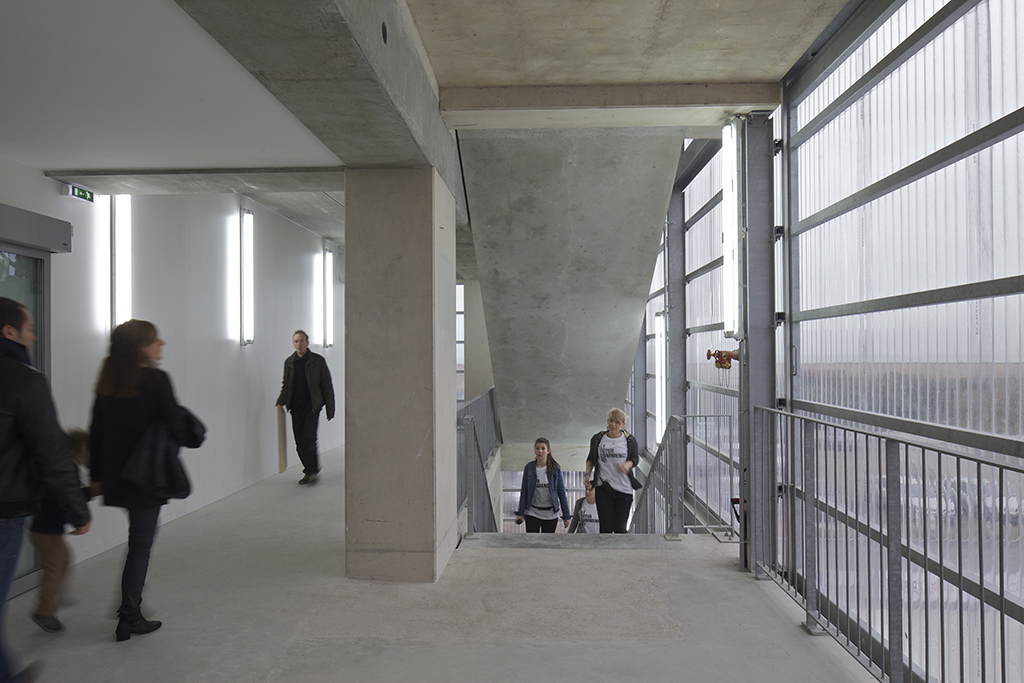
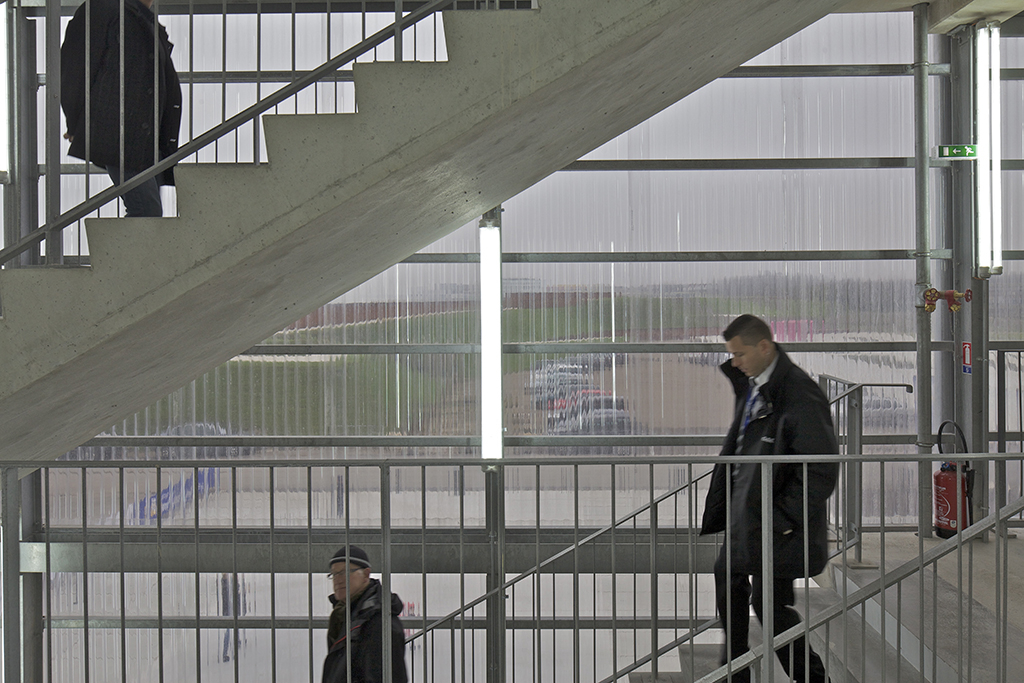
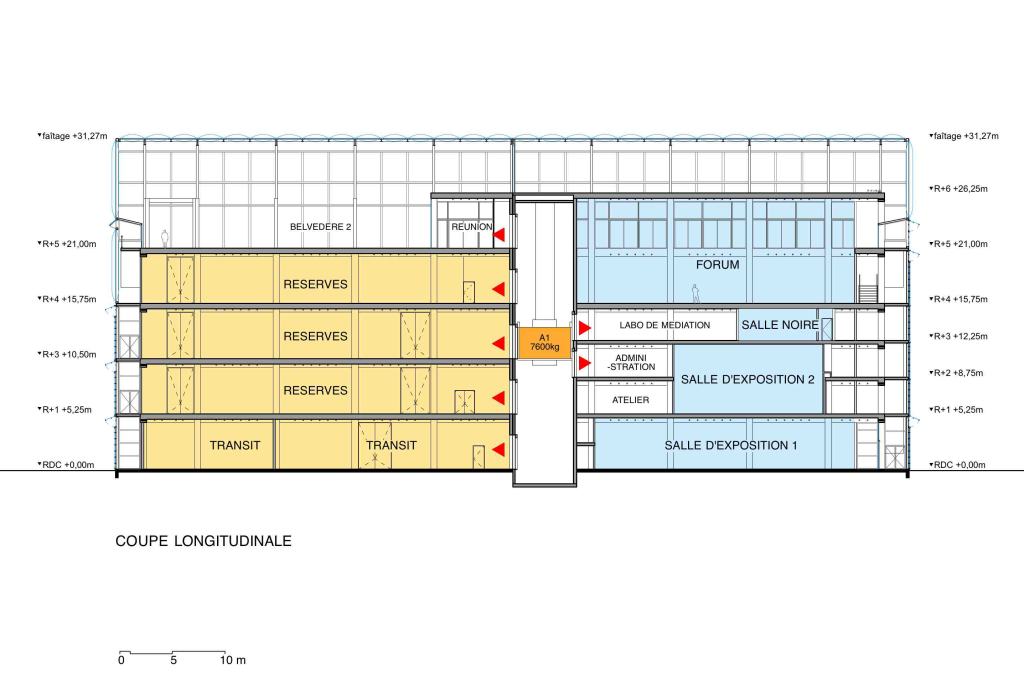
Under a light and bioclimatic envelope, a prefabricated and efficient structure determines free, flexible and evolutionary platforms, with few constraints, fit to the needs of the program.
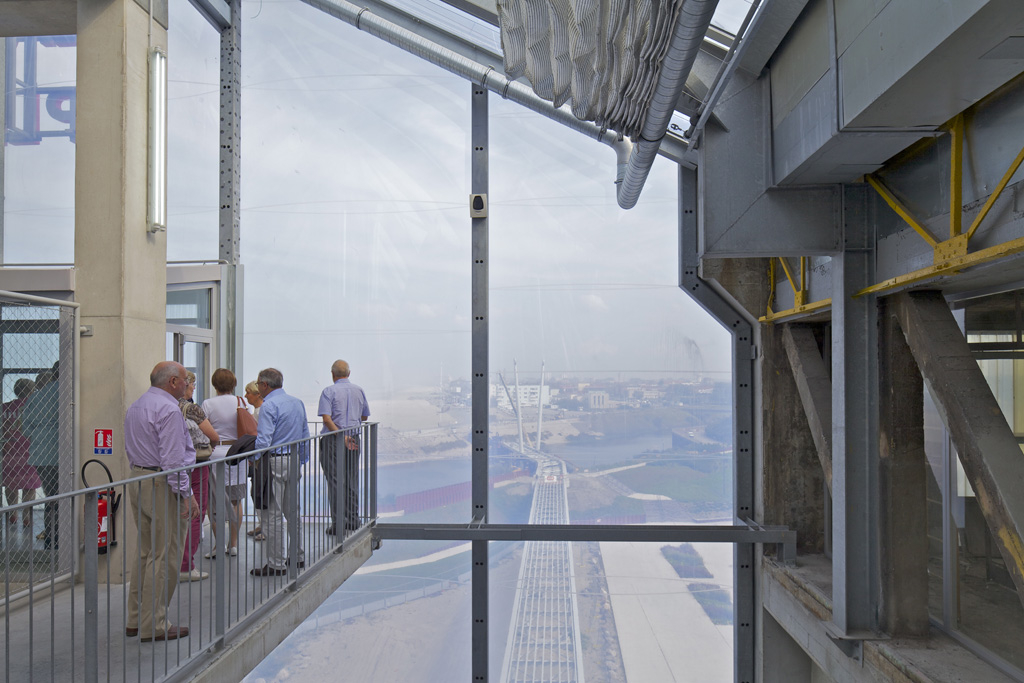
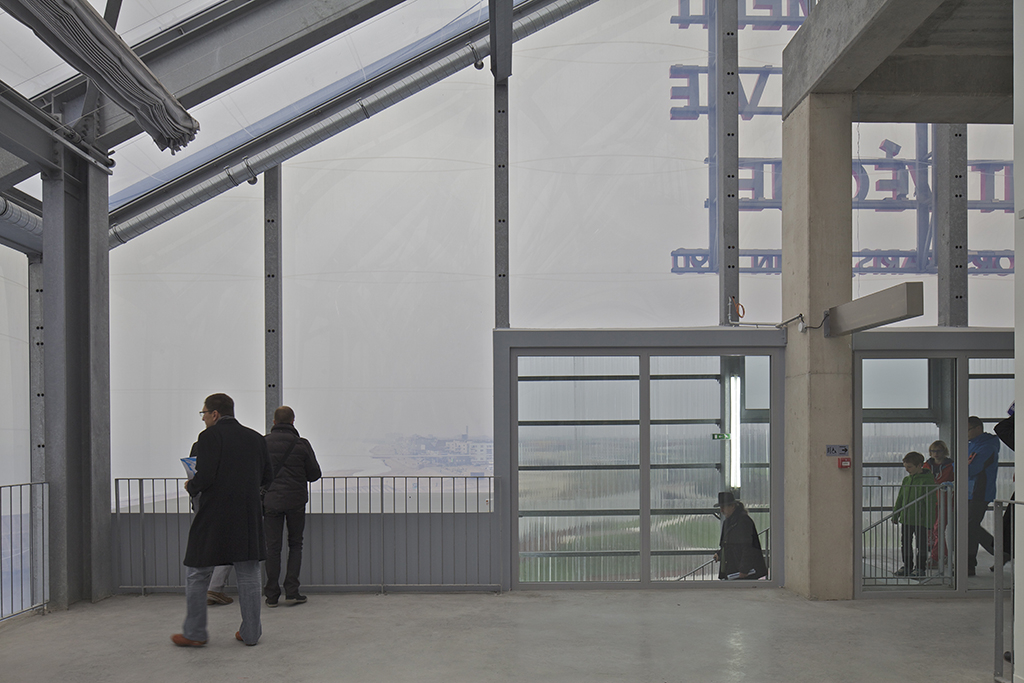
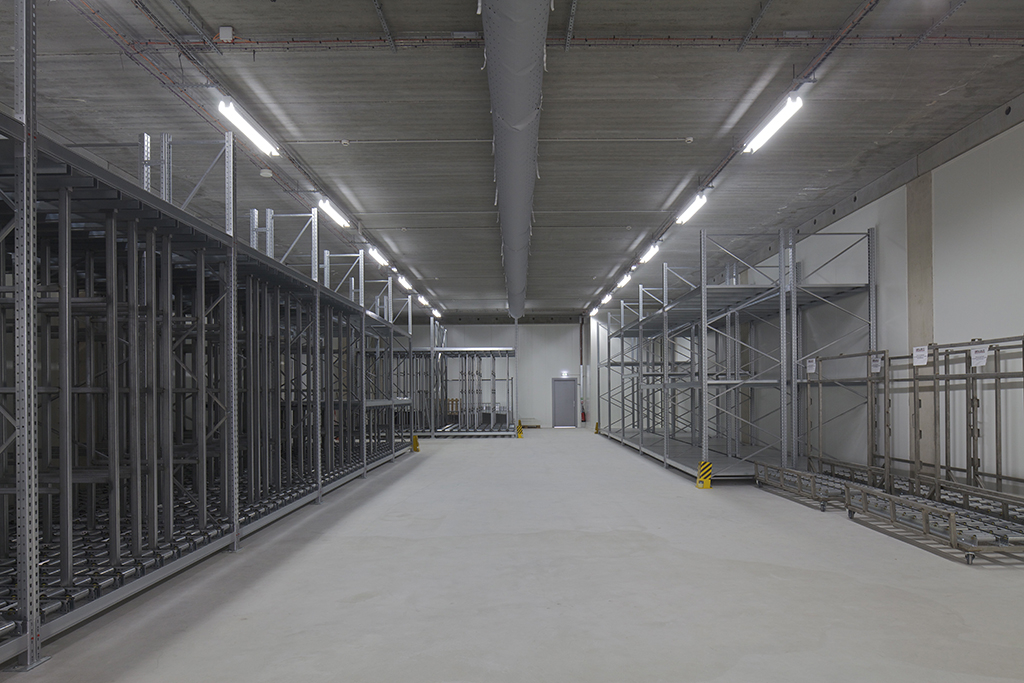
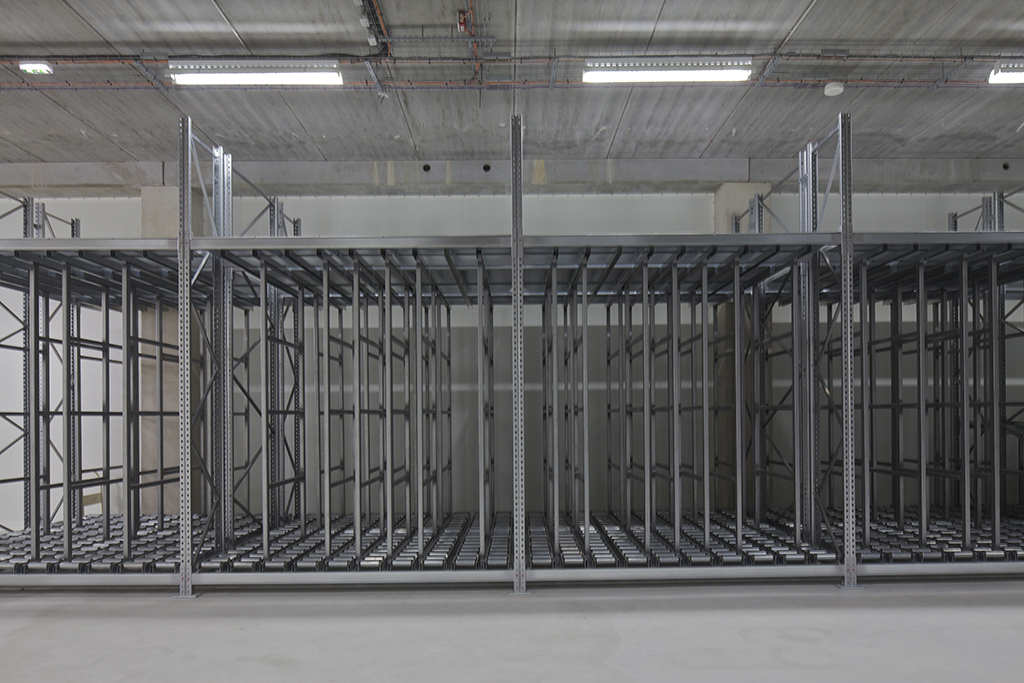
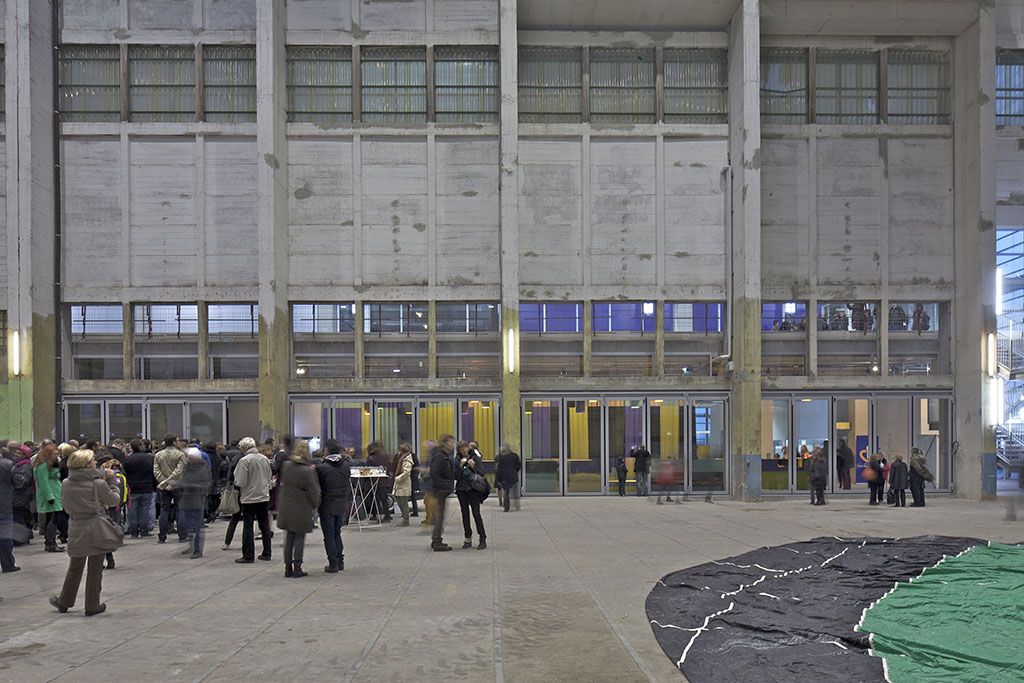
The transparency of the skin allows to see the background vision of the opaque volume of the artworks reserves.
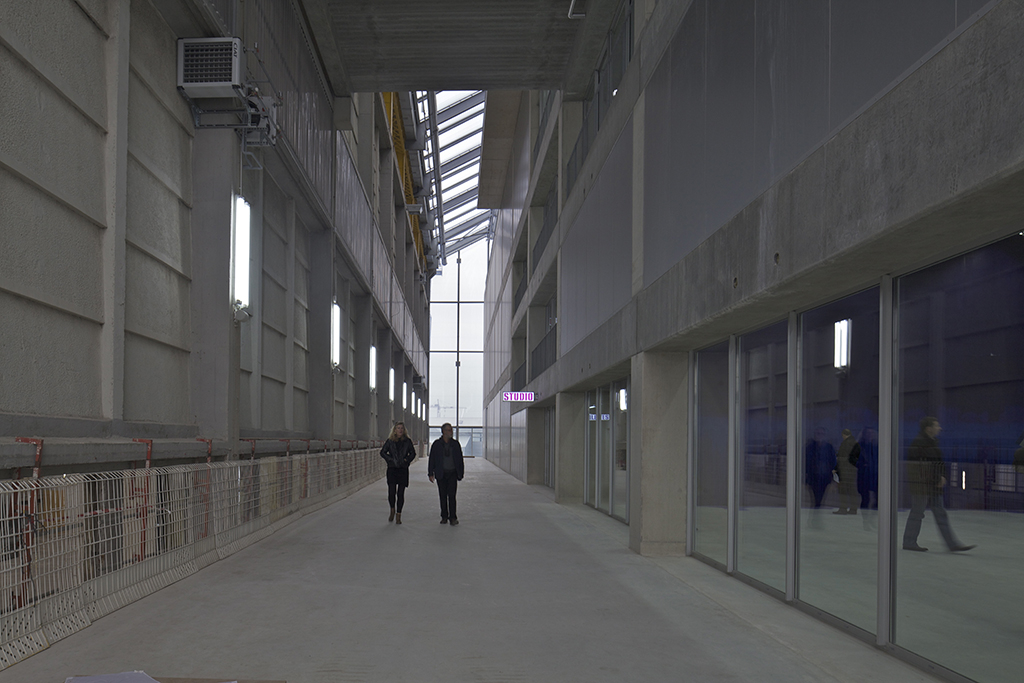
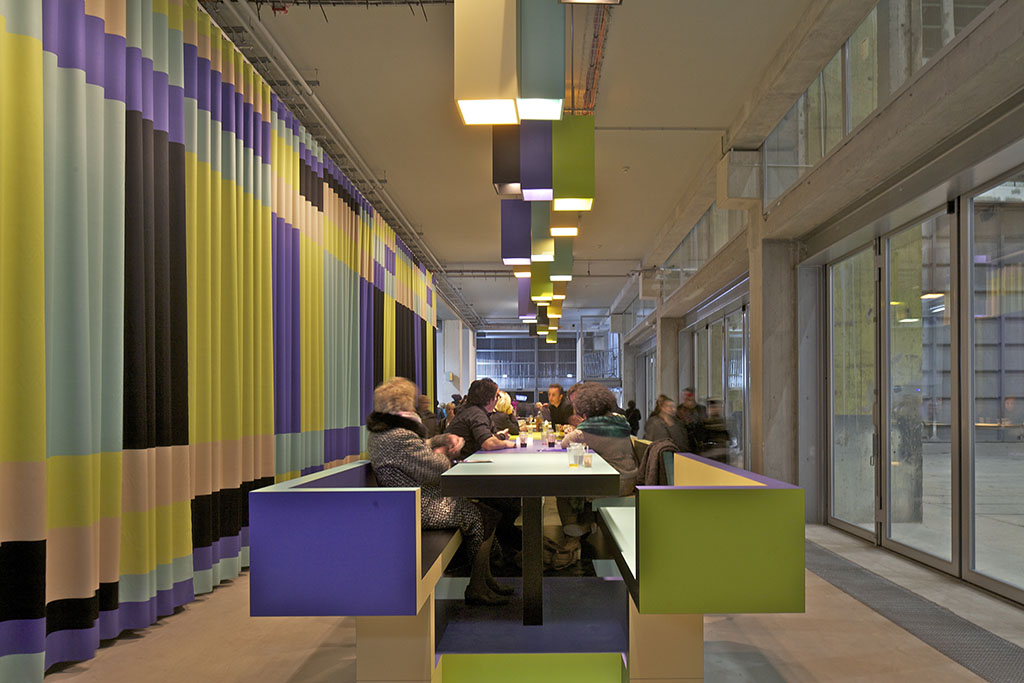
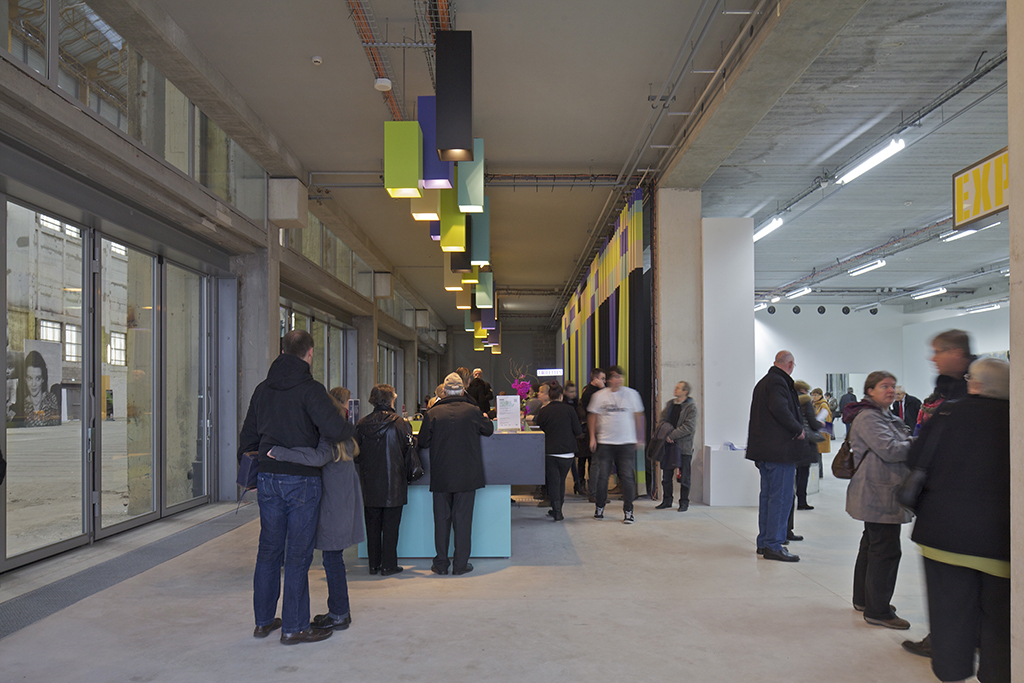
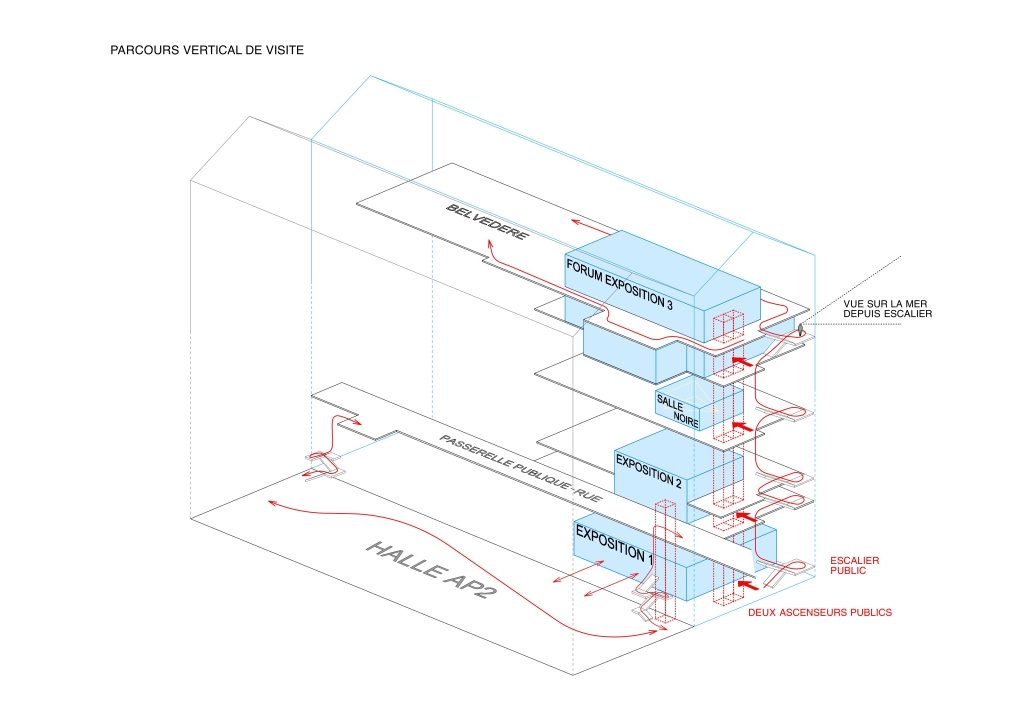
The public footbridge (previously planned along the facade) which crosses the building becomes a covered street entering the halle and the internal facade of the FRAC.
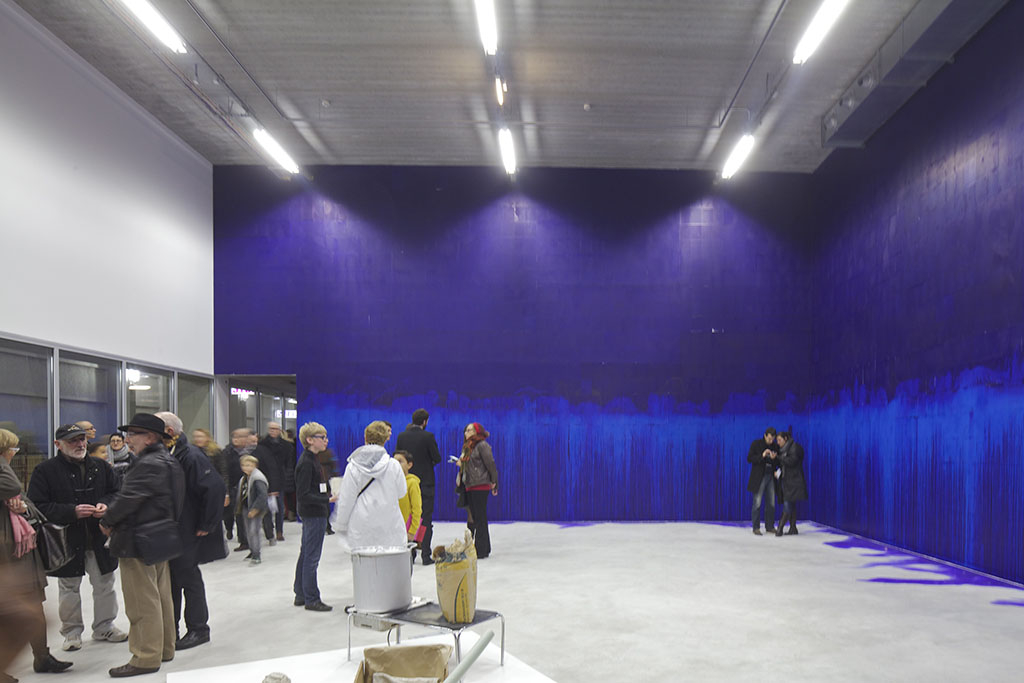
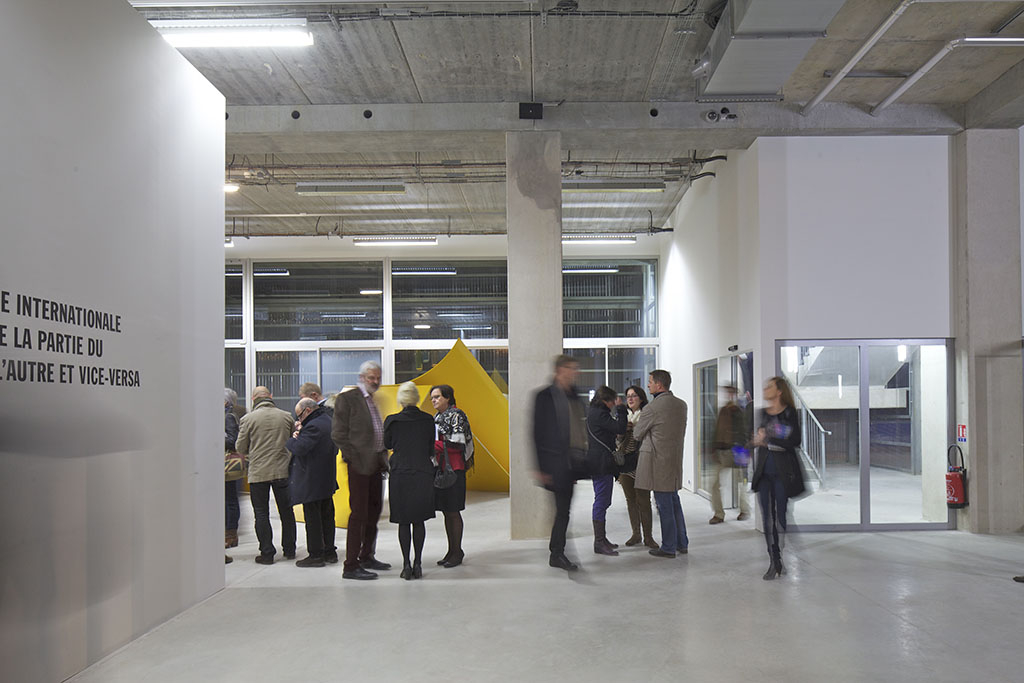
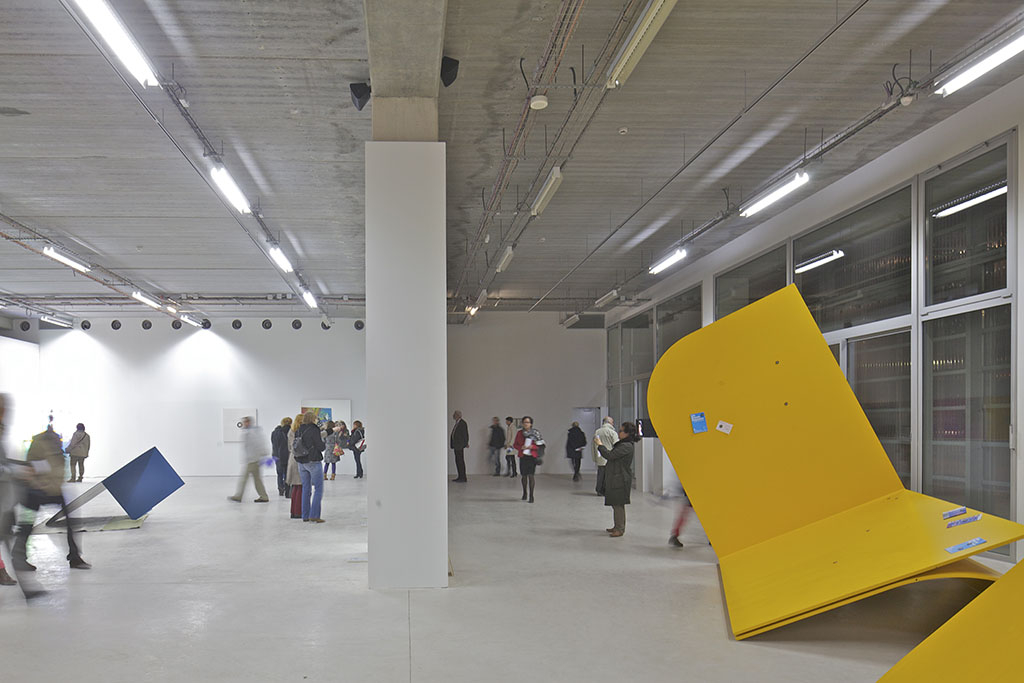
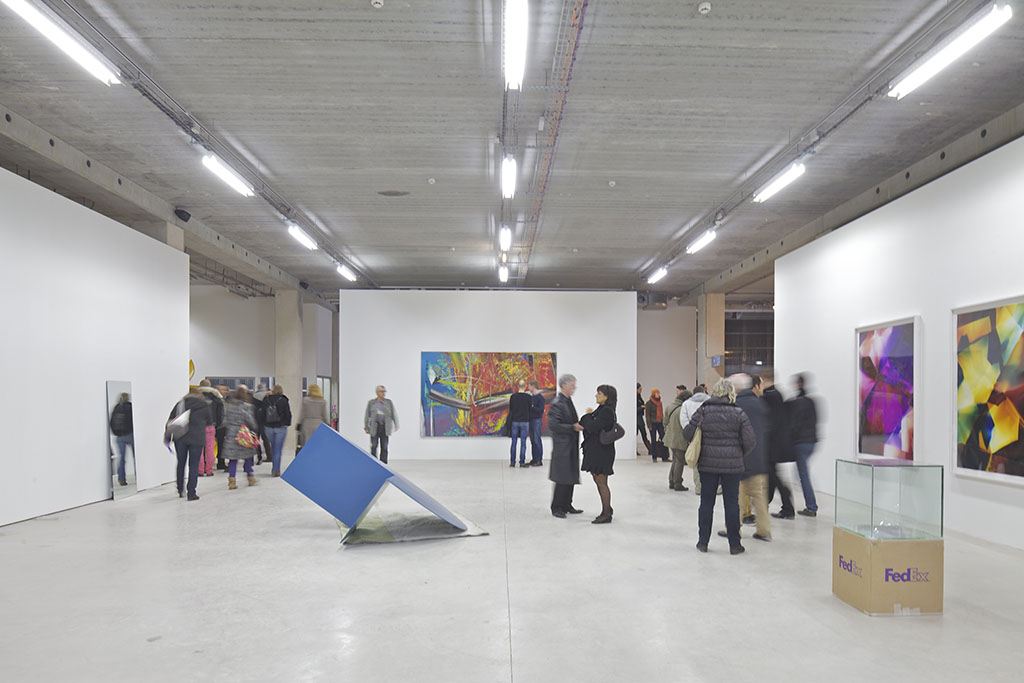
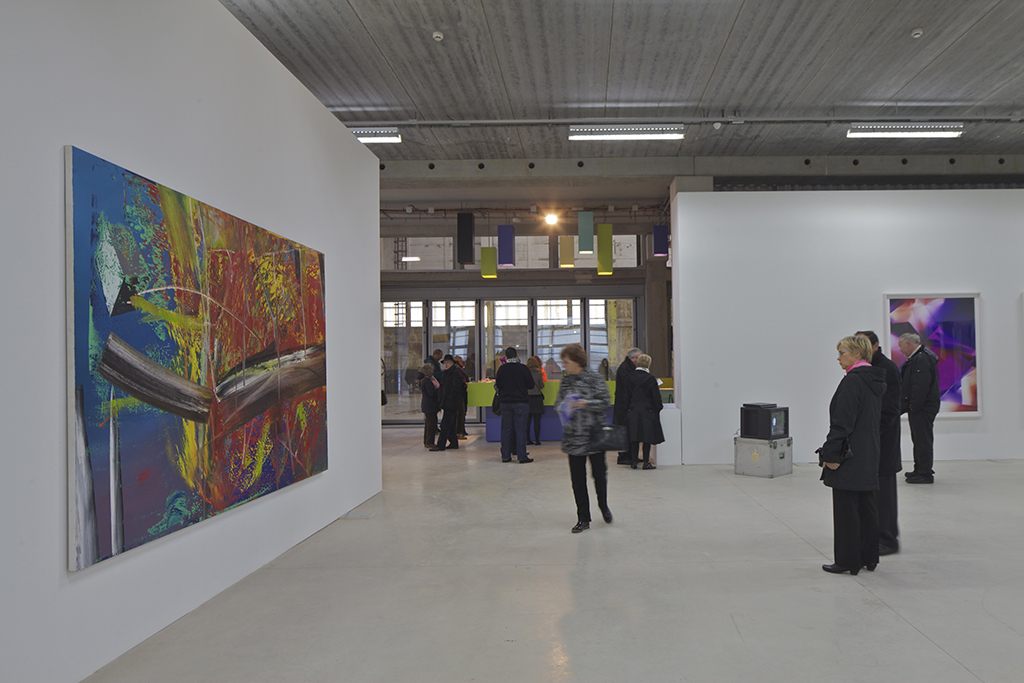
The halle AP2 will remain a completely available space, which can work either with the FRAC, in extension of its activities, (exceptional temporary exhibitions, creation of large scale works, particular handlings) or independently to welcome public events (concert, fairs, shows, circus, sport) and which enriches the possibilities of the area.
The functioning of each of the buildings is separated, or combined.
The architecture of the halle and its current quality make sufficient minimal, targeted and limited interventions. Thanks to the optimization of the project, the budget allows the realisation of the FRAC and the setting up of conditions and equipment for public use of the halle AP2.
The project so creates an ambitious public resource, of flexible capacity, which allows work at several scales from everyday exhibitions to large-scale artistic events, of regional but also european and international resonance, which consolidates the redevelopment of the port of Dunkerque.
Location : Dunkerque / France
Design years : competition 2009 / completion 2013 - 2015
Client : Communauté Urbaine de Dunkerque
Design team :
Anne Lacaton & Jean Philippe Vassal
with Florian de Pous chief project, Camille Gravellier construction supervision, Yuko Ohashi
Engineering :
Secotrap (structure, mechanical systems), Cesma (metal structure), Vincent Pourtau (cost), Vulcanéo (fire security consultant), Gui Jourdan (acoustics), Cardonnel (thermal studies)
Program : artwork reserves, exhibition rooms, education
Size : 11 129 m2 net :
- 9 157 m2 new building
- 1 972 m2 existing halle
Cost : 12 M€ net
Photographs : © Philippe Ruault
For all uses, thank you to contact him :
philippe.ruault@numericable.fr |
Les FRAC abritent les collections publiques d'art contemporain constituées par les Régions. Ces collections sont conservées, répertoriées, et montrées au public à travers des expositions sur place, ou des prêts à des galeries ou musées.
Le FRAC de la Région Nord Pas-de-Calais, s'installe sur le site du port de Dunkerque, dans une ancienne halle à bateaux, nommée halle AP2.
La halle AP2, dans le site du port, est un objet singulier et emblématique. Son volume intérieur est immense, lumineux, son potentiel d'usage exceptionnel.
Implanter le FRAC, catalyseur du nouveau quartier, et pouvoir aussi garder la halle dans son intégralité devient l'idée qui fonde le projet.
Pour cela, le projet crée un double de la halle, de même dimension, adossé côté mer et qui contient le programme du FRAC. Le bâtiment neuf se juxtapose délicatement sans rivaliser ni s'effacer. La duplication est la réponse attentionnée envers l'identité de la halle.
Sous une enveloppe légère et bioclimatique, une structure intérieure préfabriquée et performante détermine des plateaux libres, flexibles et évolutifs, peu contraints, ajustés aux besoins du programme.
La transparence de la peau donne à voir en second plan le volume opaque des réserves.
La passerelle publique en traversant le bâtiment devient une rue couverte entre la halle et la facade intérieure du FRAC.
La halle AP2 restera un espace entièrement disponible, qui peut fonctionner soit avec le FRAC, en extension de ses activités, (expositions temporaires exceptionnelles, création d'oeuvres de grandes dimensions, manutentions particulières) soit indépendamment pour accueillir des évènements publics (concert, salons, spectacles, cirque, sport...) et qui enrichit la vocation du quartier.
Le fonctionnement de chacun des bâtiments est séparé, ou combiné.
L'architecture de la halle et sa qualité actuelle rendent suffisantes des interventions minimales, ciblées et limitées. Le budget prévu permet ainsi grâce à l'optimisation du projet de réaliser le FRAC et de mettre en place les conditions et l'équipement pour l'usage public de la halle.
Le projet crée ainsi un équipement public ambitieux, de capacité modulable, qui permet de fonctionner à plusieurs échelles depuis des expositions "courantes" jusqu'à des événements artistiques de grande envergure, de résonance régionale mais aussi européenne et internationale, qui conforte la reconversion du port de Dunkerque.
Site : Dunkerque / France
Dates : concours 2009 / livraison 2013 - 2015
Client : Communauté Urbaine de Dunkerque
Architectes :
Anne Lacaton & Jean Philippe Vassal
avec, Florian de Pous chef de projet, Camille Gravellier suivi du chantier et Yuko Ohashi
Ingénieurs :
Secotrap (structure béton, fluides), Cesma (structure métallique), Vincent Pourtau (économie), Vulcanéo (sécurité incendie), Gui Jourdan (acoustique), Cardonnel (étude thermique)
Programme : salles d'exposition, réserves de la collection, espaces pédagogiques, administration
Surface : 11 129 m2 surface hors œuvre nette comprenant :
- 9 157 m2 de construction neuve
- 1 972 m2 de la halle existante
Coût : 12 M€ HT
Photographies : © Philippe Ruault
Pour toutes utilisations, merci de prendre contact avec lui :
philippe.ruault@numericable.fr |
|